I’ve been buzzing off this guy. Originally seen at Chorlton Water Park, he’s since moved on. Still local but I don’t want to say exactly where he is while he’s still around.
Native to Australia, a lot of wild Black Swans are ornamental escapees. This guy doesn’t have any tags on him so it’s difficult to tell where he’s come from but he’s definitely a long way from home.
I haven’t updated for a while. I’ve not forgotten about you, blog friends.
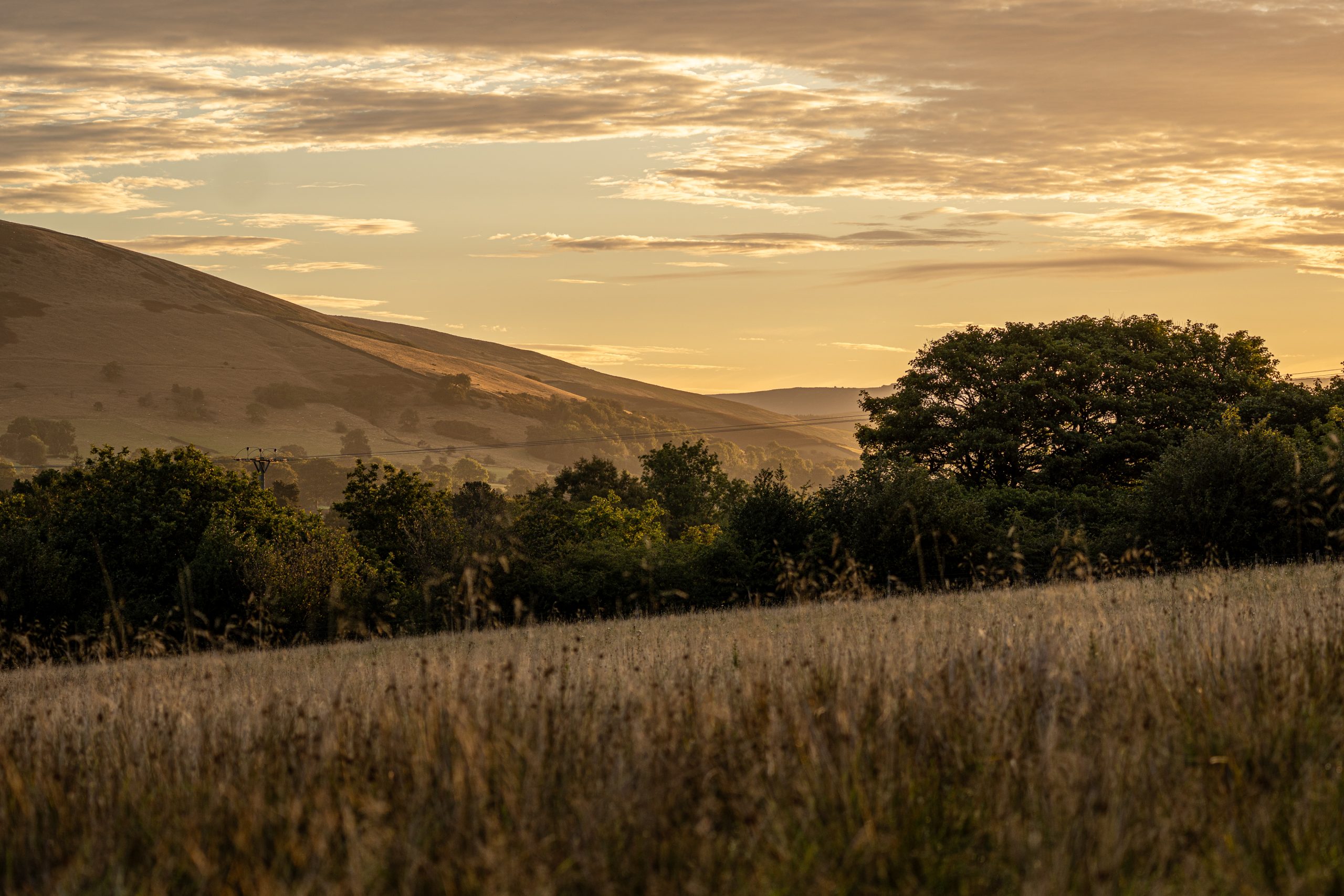
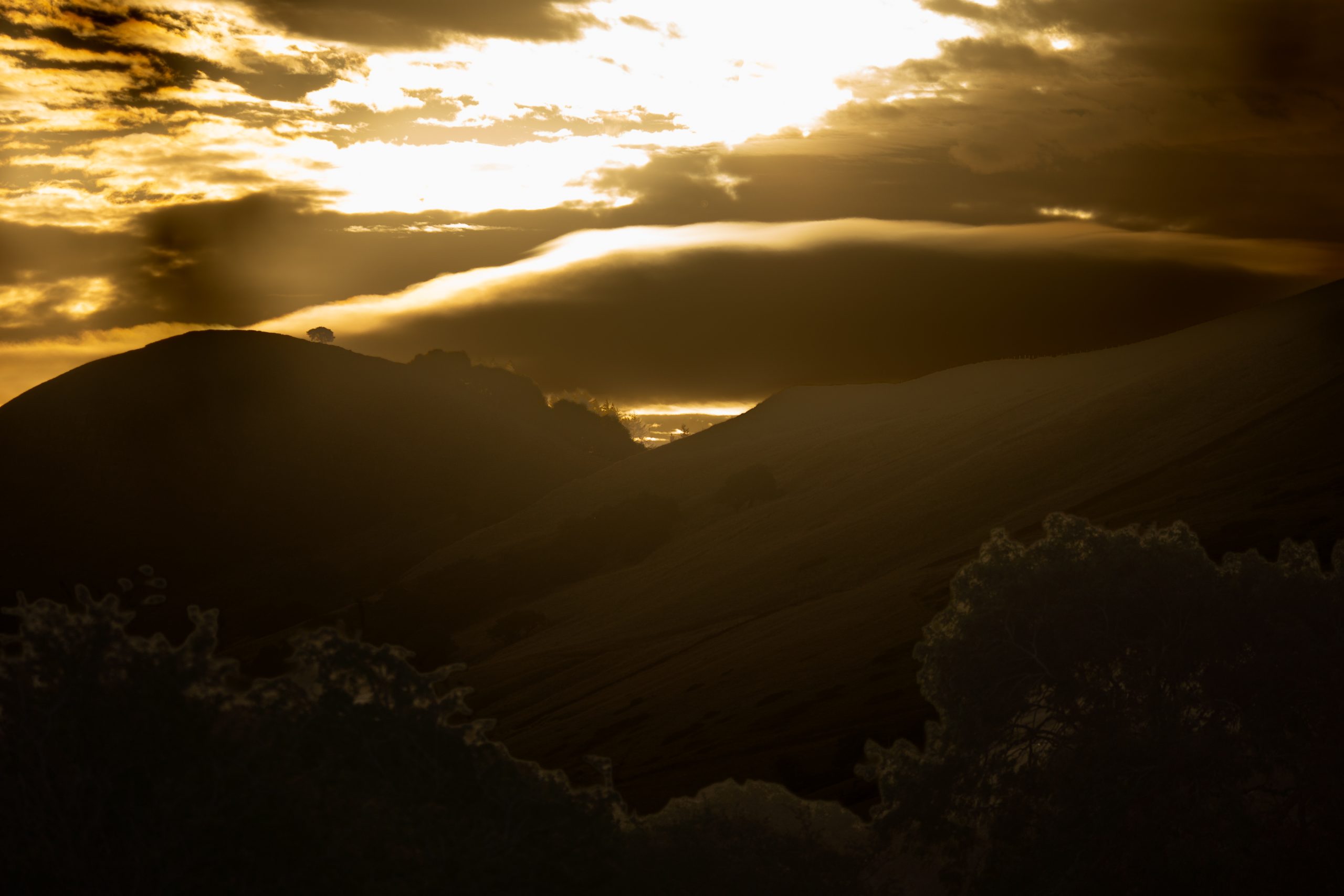
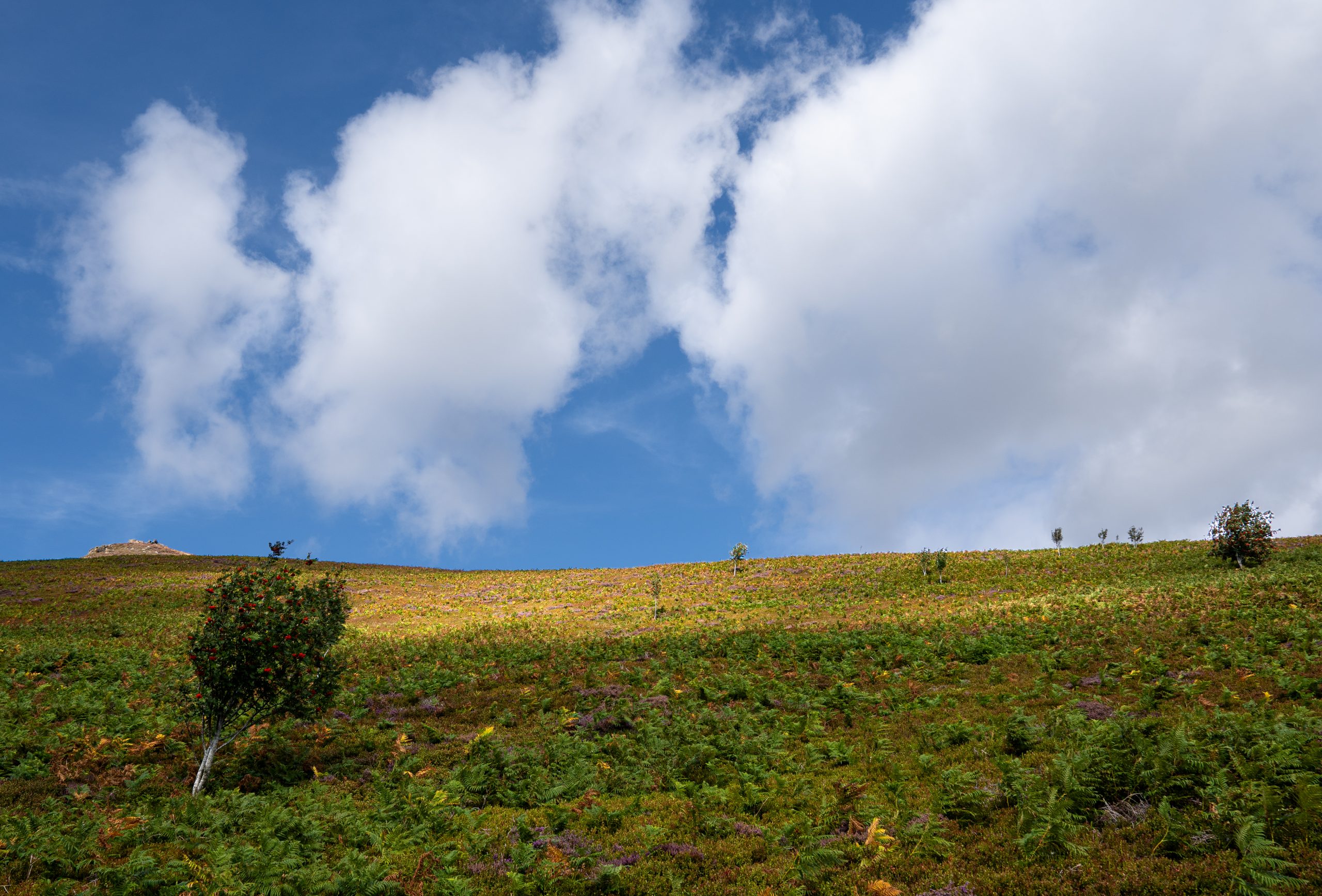
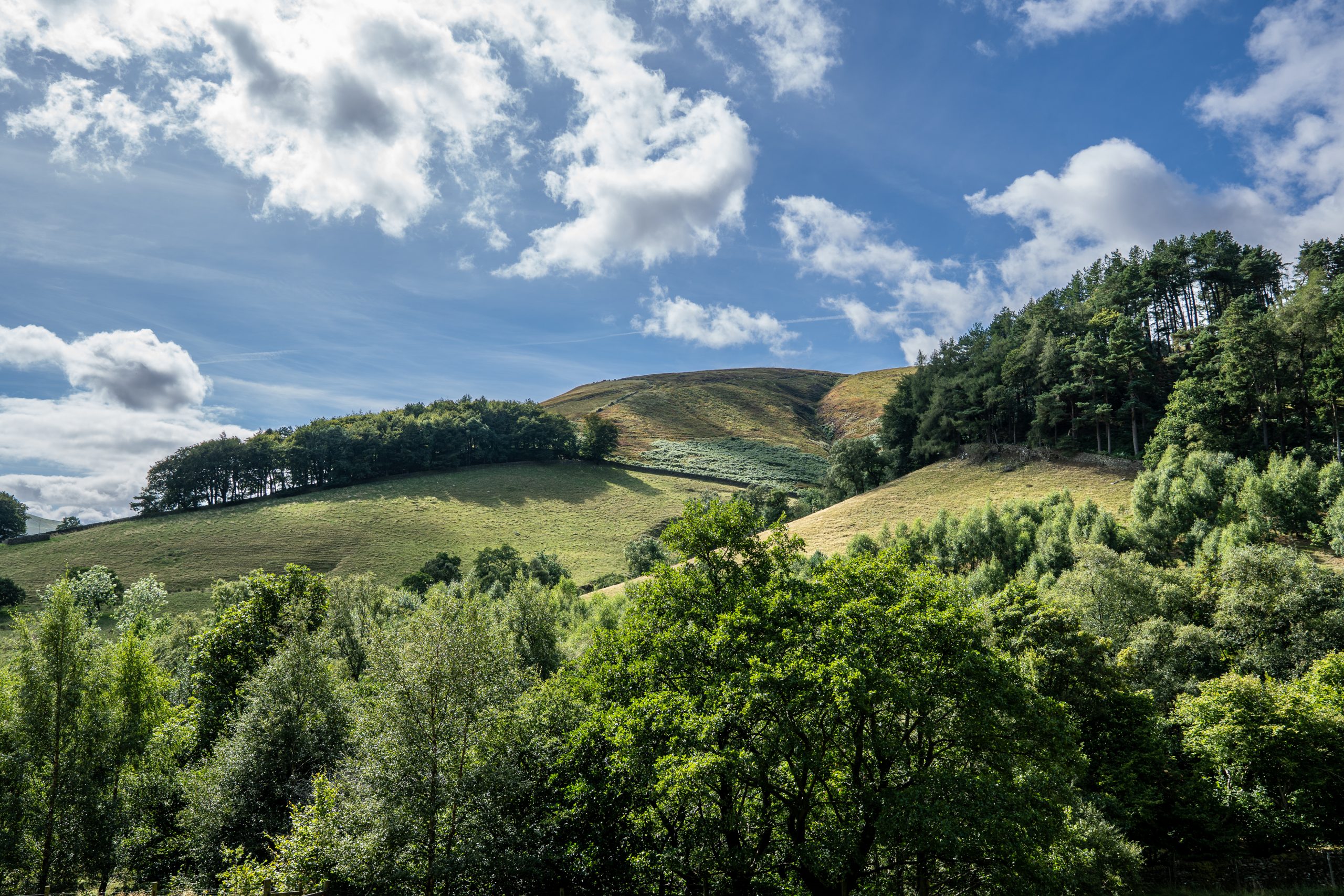
I’ve started writing this post in Edale, so this will be the first of two posts. The second once I’ve edited the images I’ve taken, which is the second reason for me coming here.
The first reason was to get out of Manchester for a weekend. As much as I love it I also miss living in the middle of nowhere from time to time.
And so I packed my tent, two camera lenses, some food, couple beers and a 38 minute train ride later, arrived in Edale.
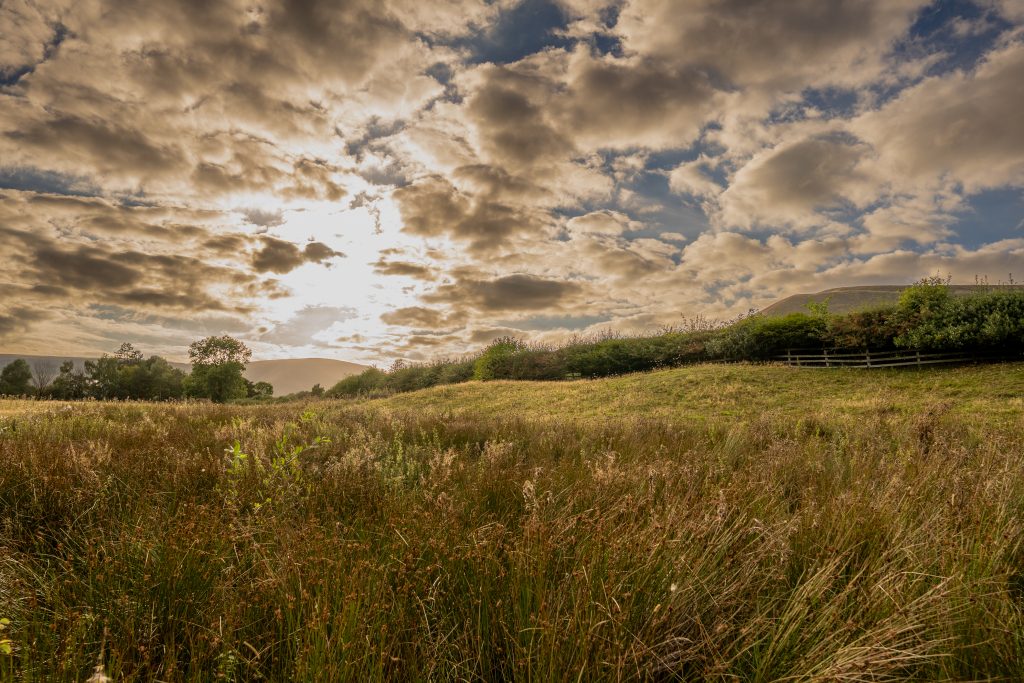
One of the main reasons I wanted to come here was to get out of Manchester’s oppressive night time glow. If you’ve ever tried to photograph the sky in a city then you’ll know exactly why I’ve come to a small village. Edale isn’t particularly out of the way but it’s far away enough that light pollution shouldn’t be much of an issue.
However I didn’t account for cloud cover and as I sit here outside the Rambler Inn drinking a lovely plumb porter, I can see the clouds rolling in. I’ll set my camera up once I get back to the tent so hopefully there’ll be a few minutes of clear skies. Time left for a couple more pints before the farm shop down the road closes though.
So, what have I lugged all the way to Edale?
OEX Hyena II tent
Sleeping mat
Sleeping bag
OEX stool
a set of rechargeable bicycle lights. Red for inside the tent, white for outside
some coffee in a thermos
food
camera gear
kobo, for readin’
change of socks, pants and some thermals just in case, massive warm coat
toothbrush
phone
Food wise?
Smoky red kidney bean pate, made the night before, looking forward to this – recipe below
a baguette
smoked cheese slices
skittles
big bar of chocolate
Bombay mix from Unicorn
four of Morrisons finest cheapest lagers
And my camera gear, again just taking the essentials this time.
Wandrd PRVKE 31L Backpack (honestly this camera bag is superb)
My trusty Sony a6100
1.4 Teleconverter
70-200mm f4 OSS II lens
16mm Sigma f1.4 lens
two batteries
tripod*
And what did I forget?
toothpaste
*I won’t be lugging the tripod next time, it was heavier than my tent and sleeping bag combined and defeated the point of trying to travel light. It didn’t make it up Kinder Scout as I left it in the tent. We’ll see if Father Christmas has space in his sack for a carbon fibre tripod this year but until then I’ll carry on shooting handheld.
Hopefully I can fit a couple more trips in before winter hits. And now for the pate, super easy recipe:
1 tin of kidney beans (drained), a white onion, 3 cloves of garlic, juice a lemon, deseed a chilli, a teaspoon of little olive oil, cumin, smoked paprika, salt and pepper. Wizz it all together in a food processor. Pop it in the refrigerator over night.
We’re just adding categories to this blog now aren’t we? Cooking with gas.
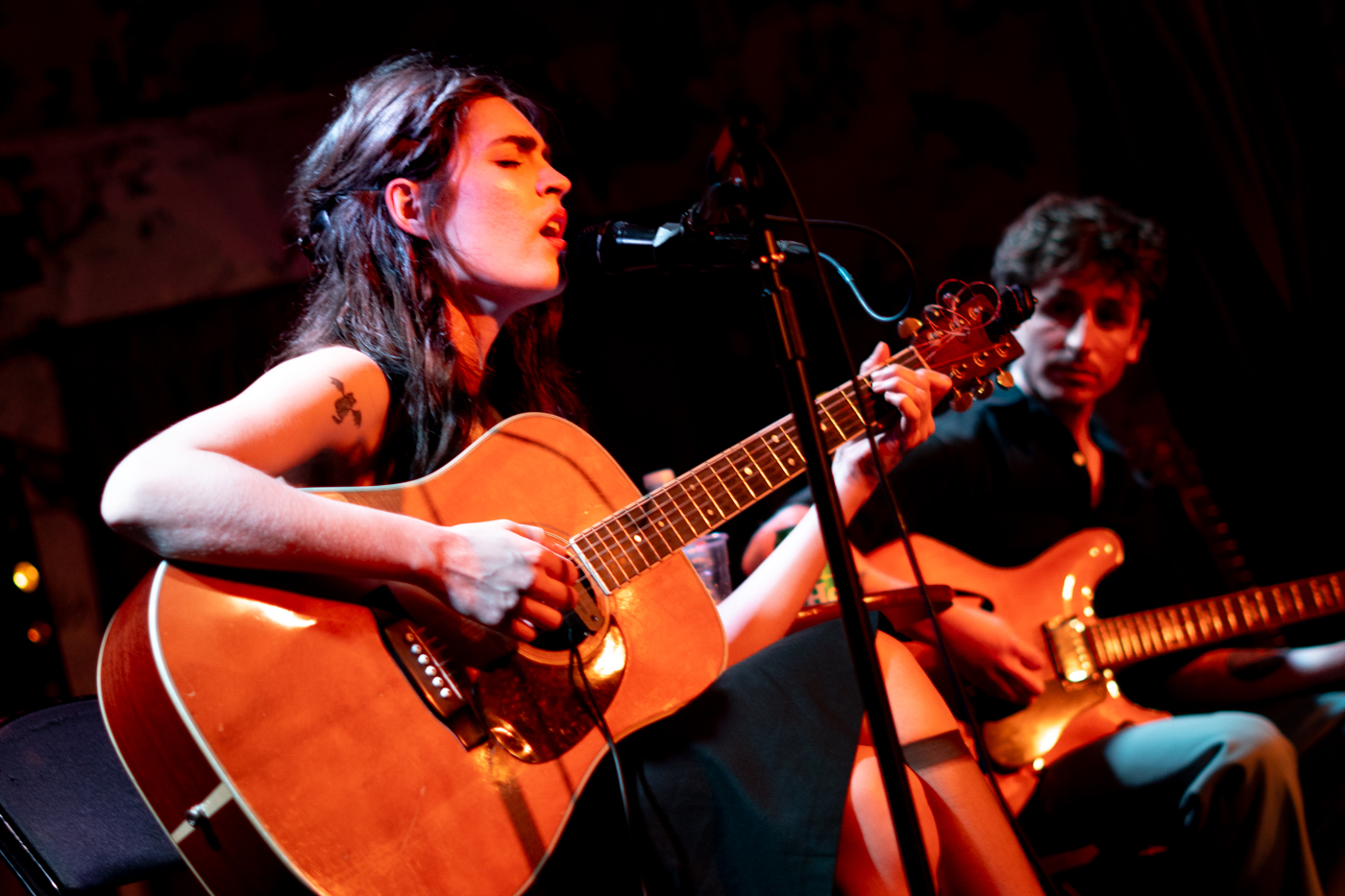
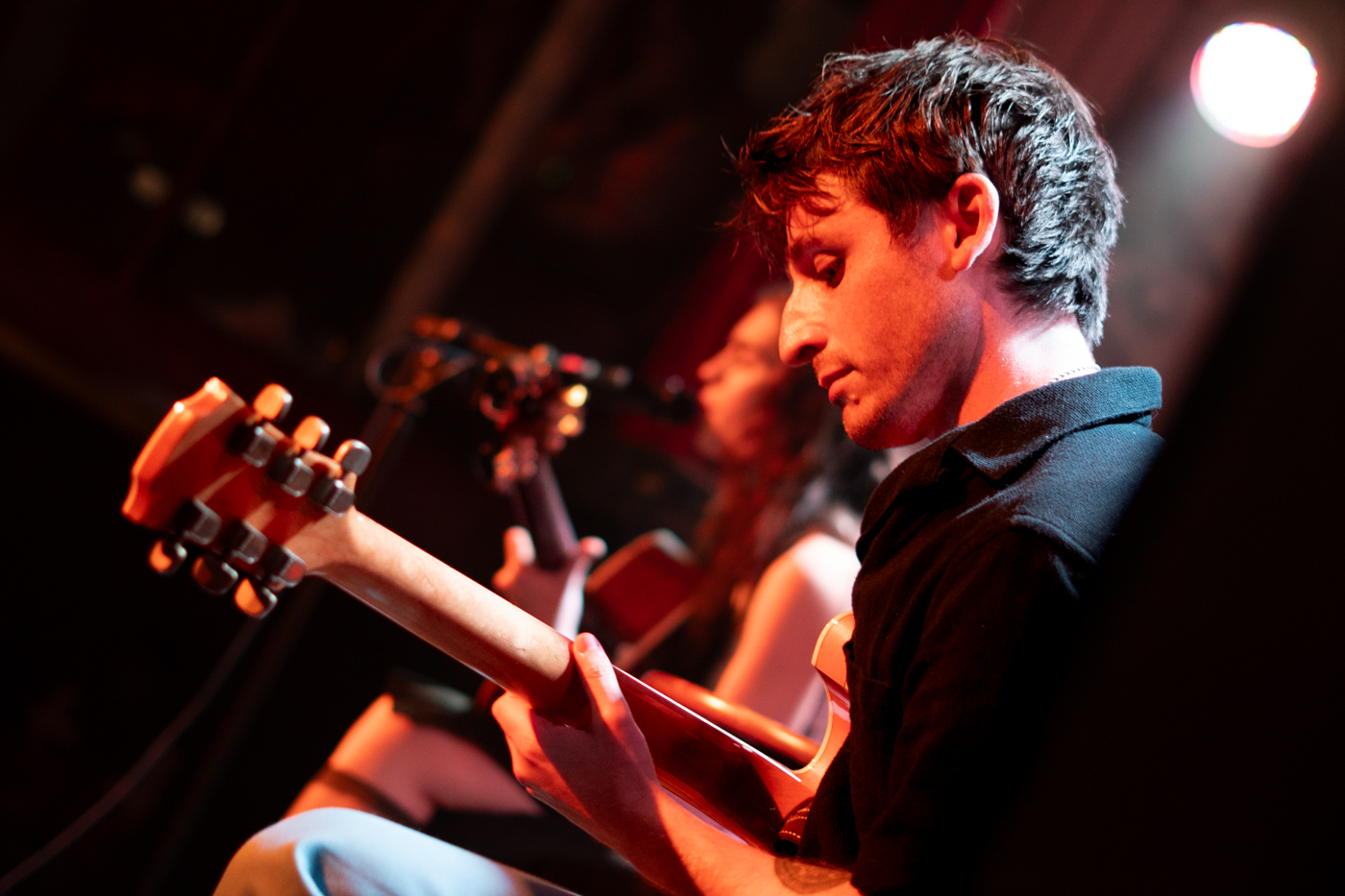
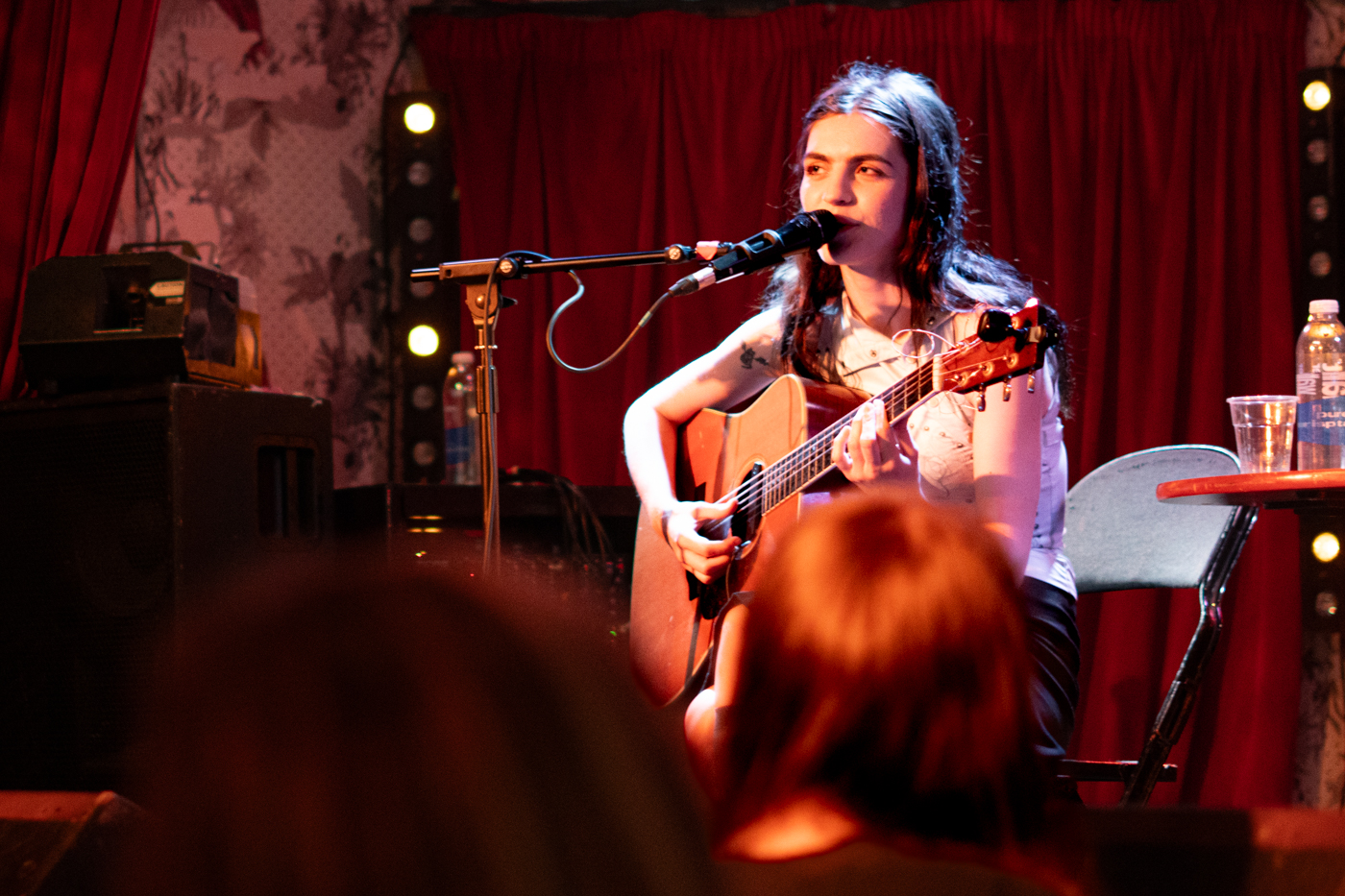
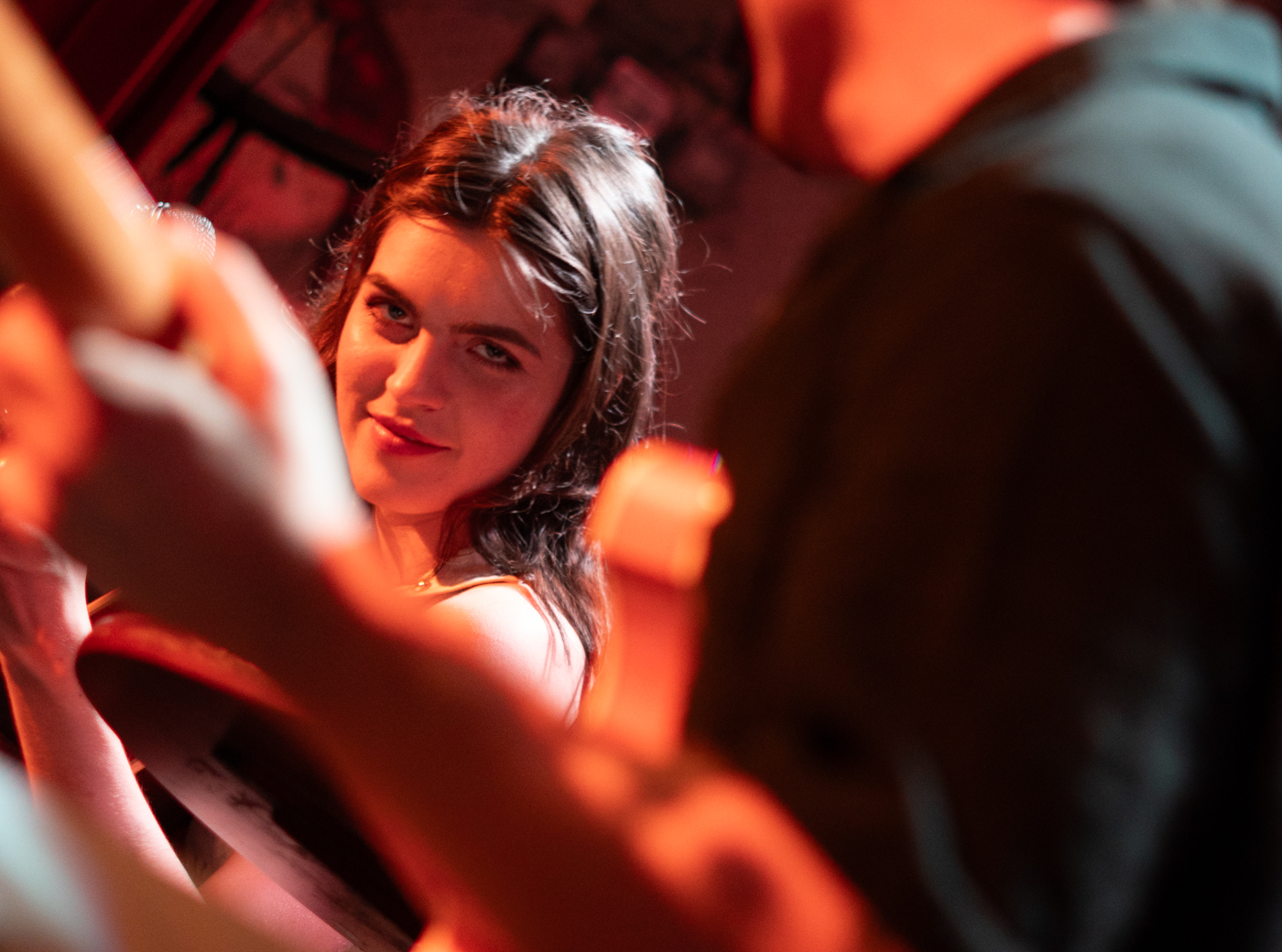
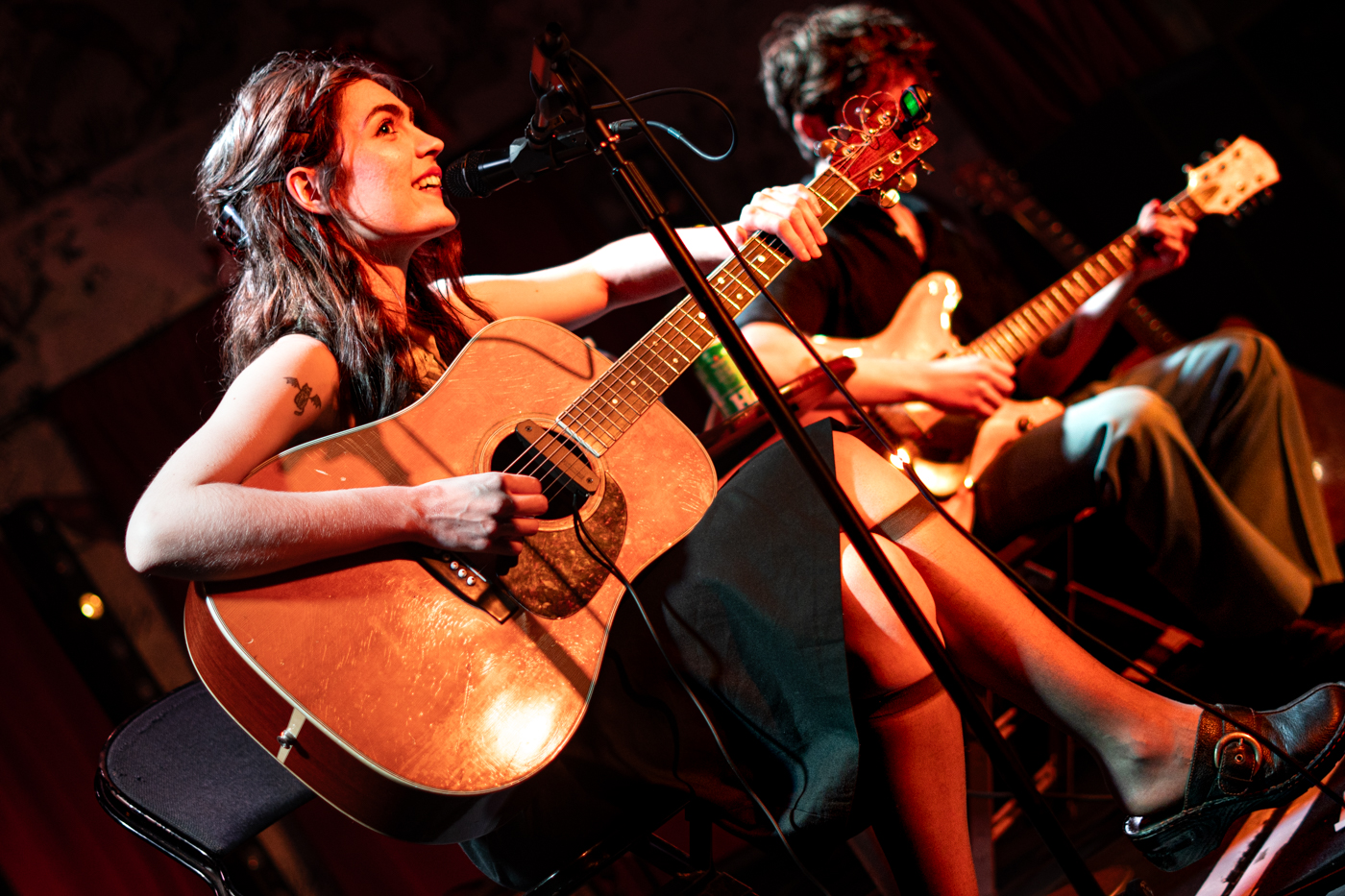
Great gig last Tuesday, got me out of the house on a weekday evening which was nice. It also made me realise my last gig was King Gizzard and the Lizard Wizard at the end of last year which I could have done without realising to be honest since somehow we’re now half way through 2026. I’m currently scouring the web for local gigs to book in over the summer while I wait for the Gizz to drop a new album.
I see a lot of people my age falling in to the trap of thinking there’s no decent music past ‘insert date when I happened to stop listening to new music’ and that’s poor to be honest. There’s a ton of great new artists out there. We can do better than that team, you’re turning in to your parents.
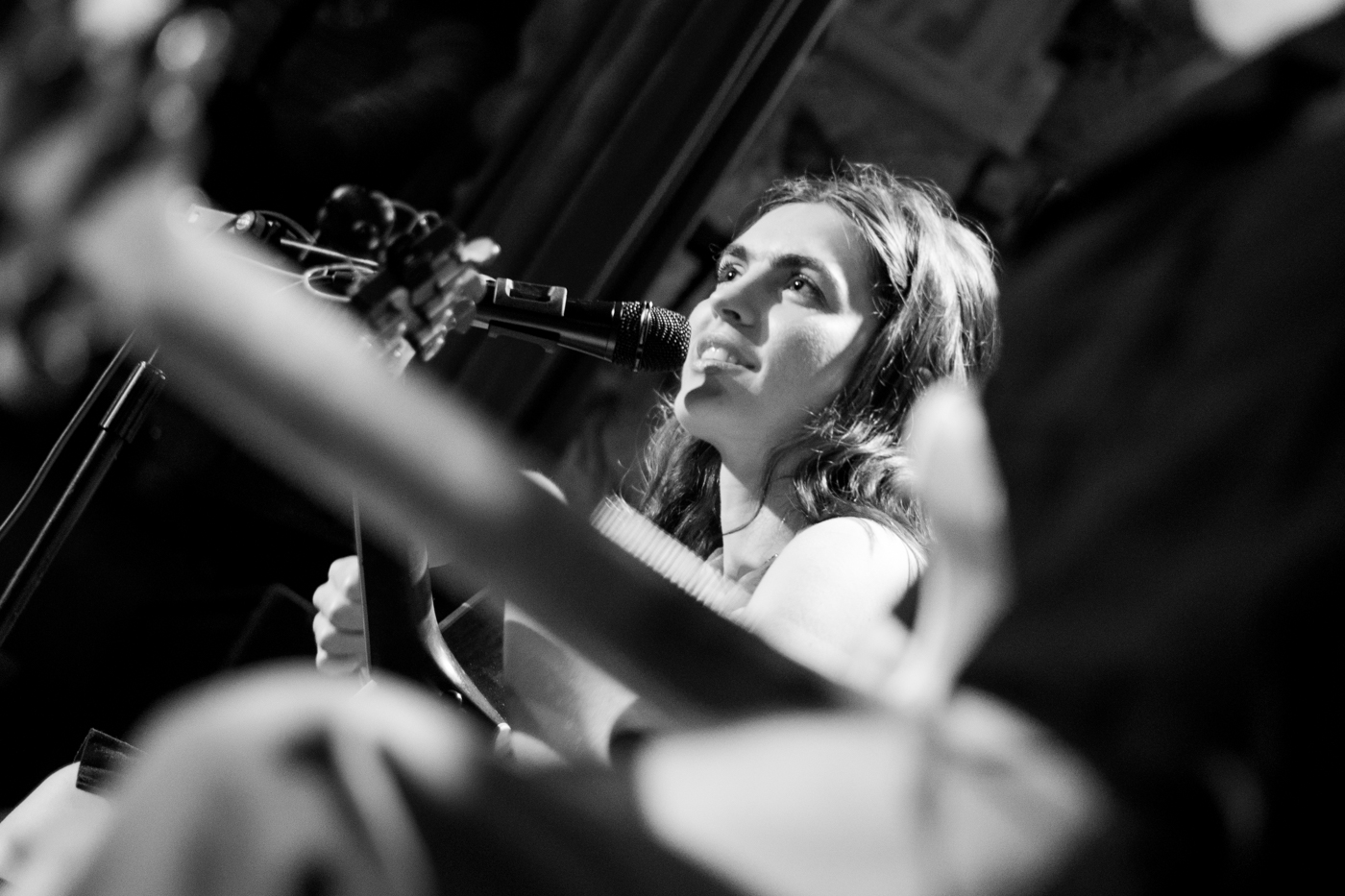
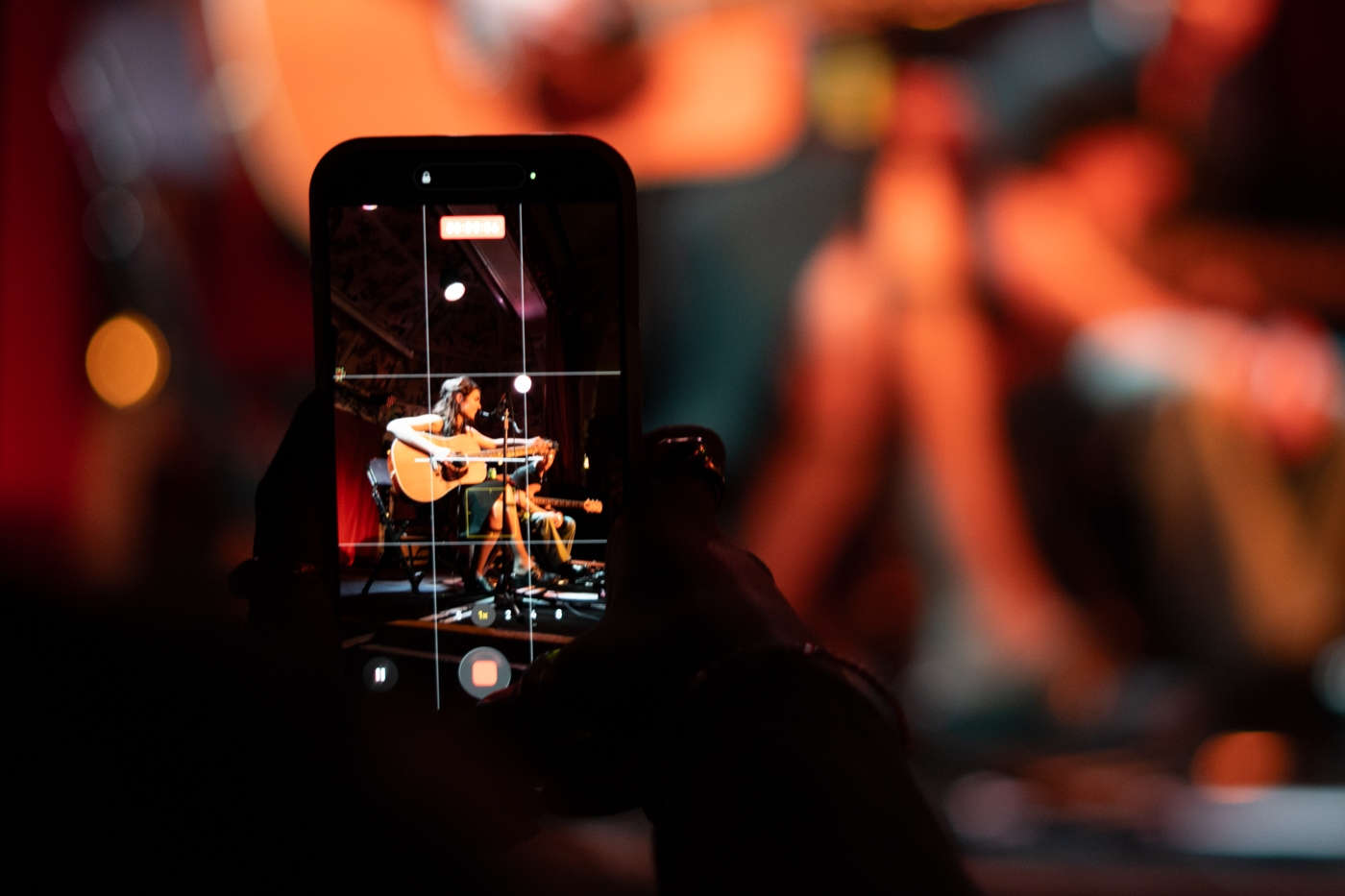
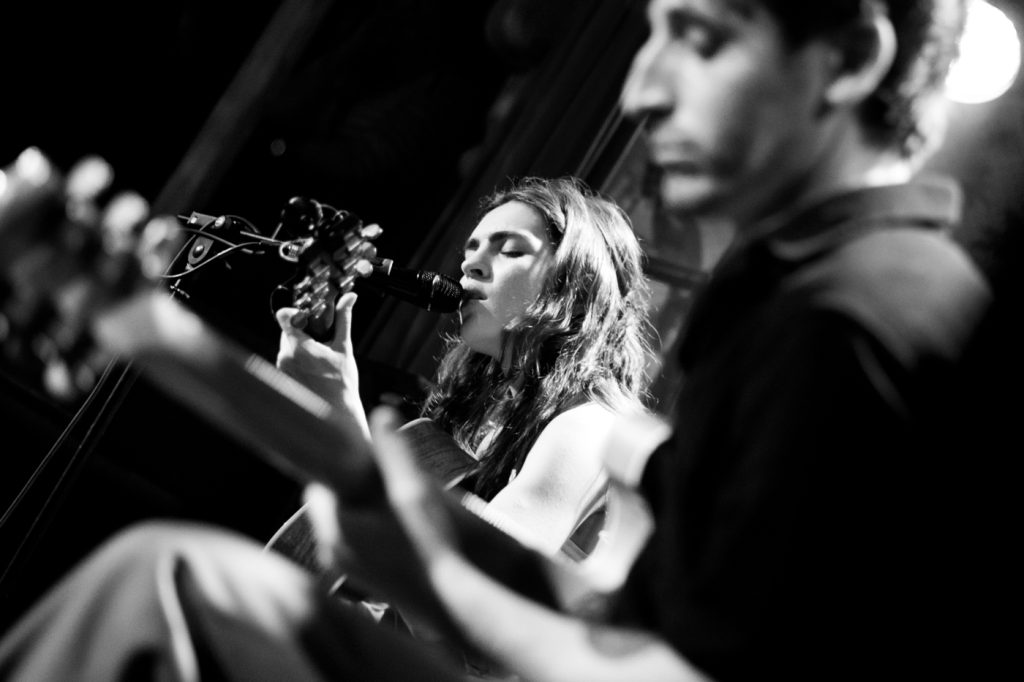
I did sneak my camera in, can’t stand taking pictures of gigs on a mobile and I use a mirrorless Sony so I can kind of get away with it as it doesn’t look like a large professional camera. These pictures were taken with Sony’s cheap and cheerful plastic 50mm f1.8 lens which is great in low light situations. It gets flack online for being quite noisy on focus (it’s not a video lens) but for the price you can’t go wrong, every manufacturer needs an affordable nifty fifty in their lineup and I’ve been quite pleased with Sony’s. It’s not quite on the level of my Nikon 50mm but that’s a really special little lens, plus the camera that goes along with it is twice the size.
Anyway some images of Gretel and her stripped-back acoustic set below. You should check her out at https://www.grrretel.com, or watch a couple of live videos over on her YouTube. If you’re a fan of Sonic Youth/Nirvana/Radiohead then you’ll get the musical references, plus her voice is great.
I studied Media Production and Film and Television Production at college and university. One of the first things my head of media at college said was ‘Learning how this works is probably going to ruin films for you’.
It didn’t. It gave me a huge appreciation for what happens behind the scenes, camera work, sound, lighting. The machine of production.
As a media student, my introduction to Dune was via Lynch’s 1984 masterpiece. And it was a masterpiece. Over-ambitious, abstract, clearly unfinished and bonkers. I’d watched this movie tens of times before I read the books, so I went in to reading Herbert’s Dune with an image already formed in my mind.
I set myself a task of reading the books before Villeneuve’s 2021 movie Dune: Part One was released. That didn’t quite go to plan as I’d only made it towards the end of Children of Dune when the first movie came out.
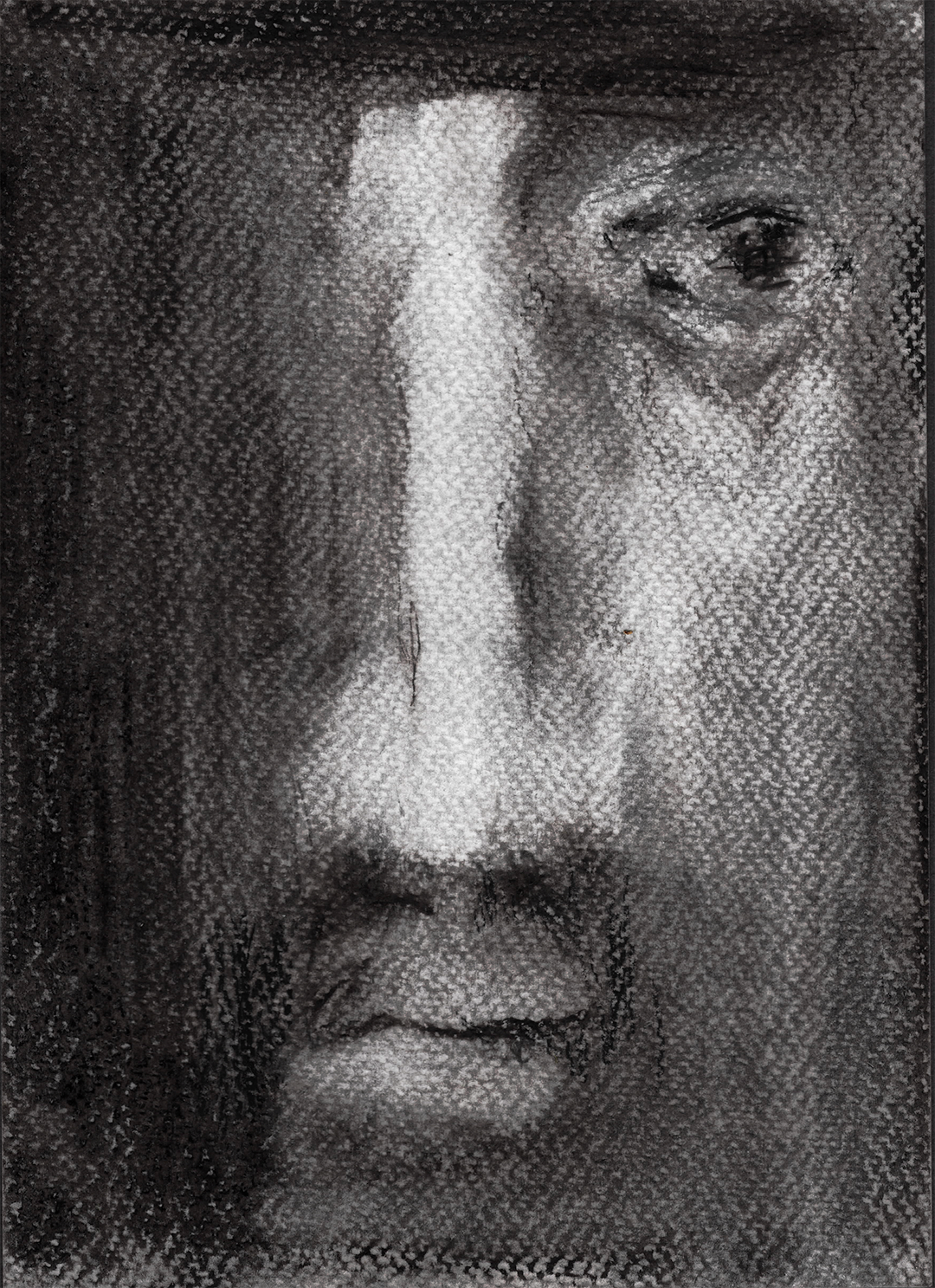
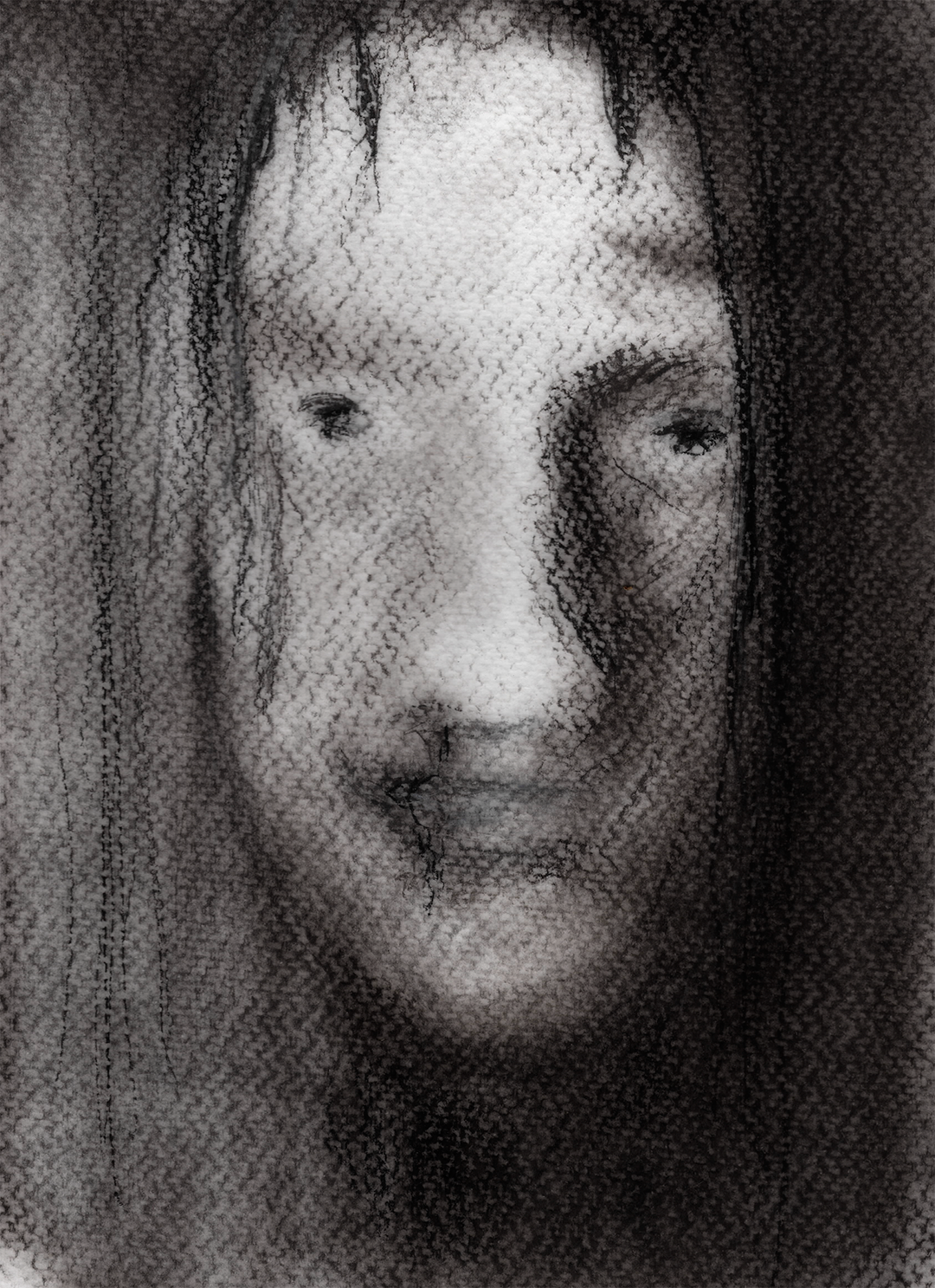
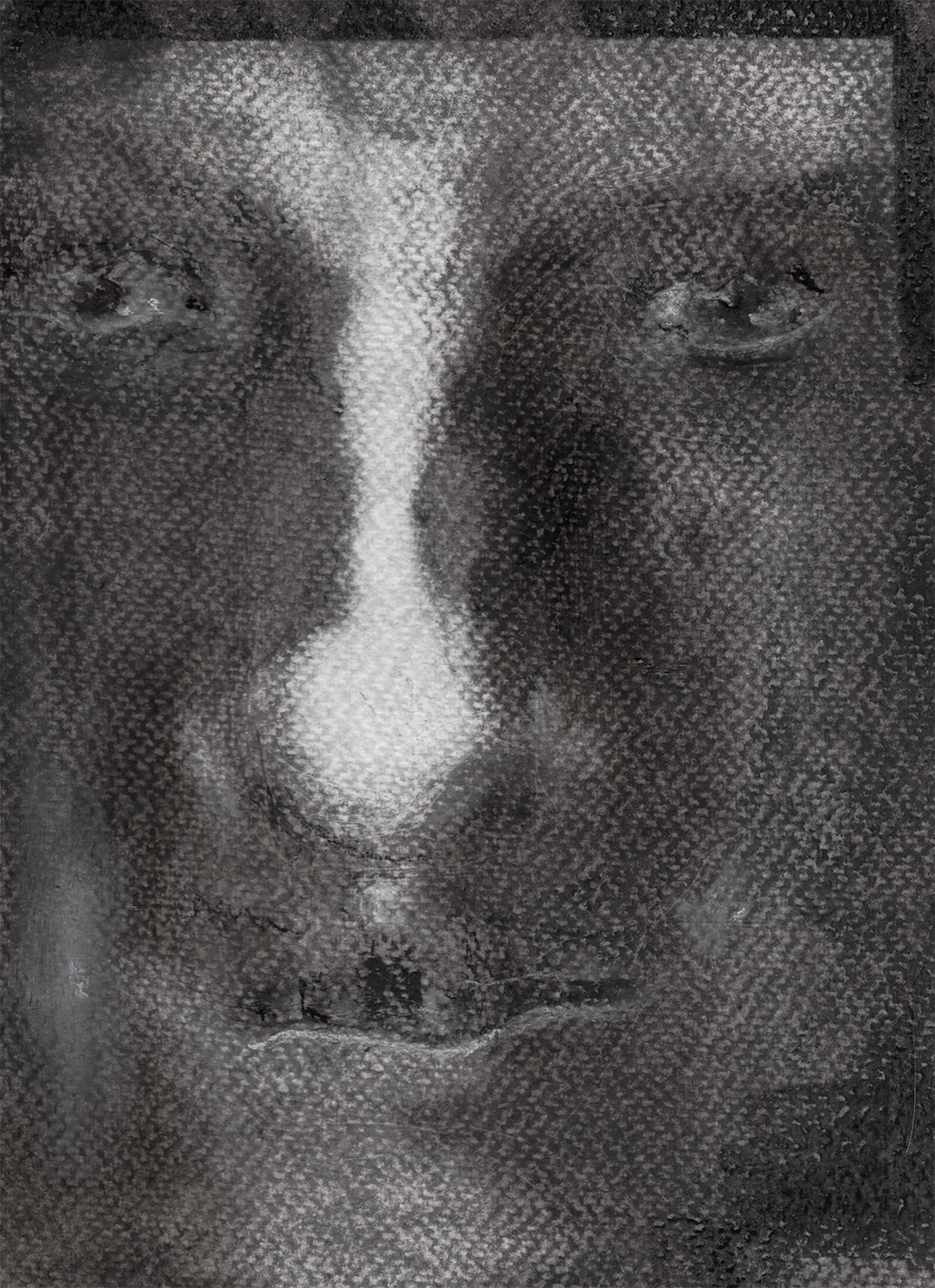
I drew these images watching parts 1 and 2 at home with a pad and a stick of charcoal. They’re a mix of Villeneuve’s interpretation of Stilgar, Jessica and Baron Harkonnen, and the faces I saw as I read the books.
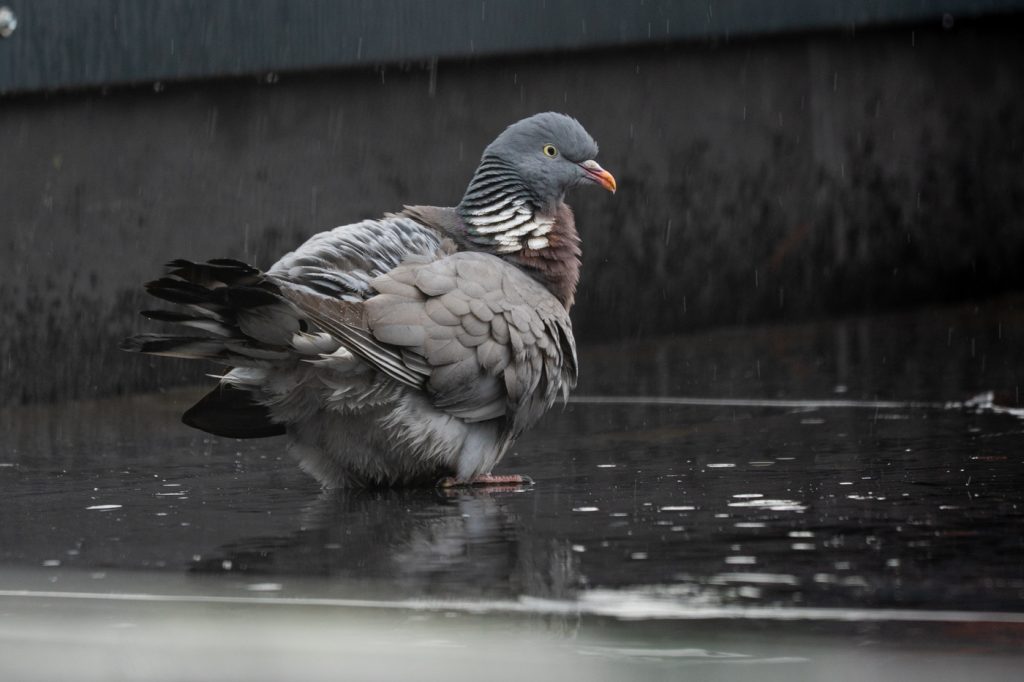
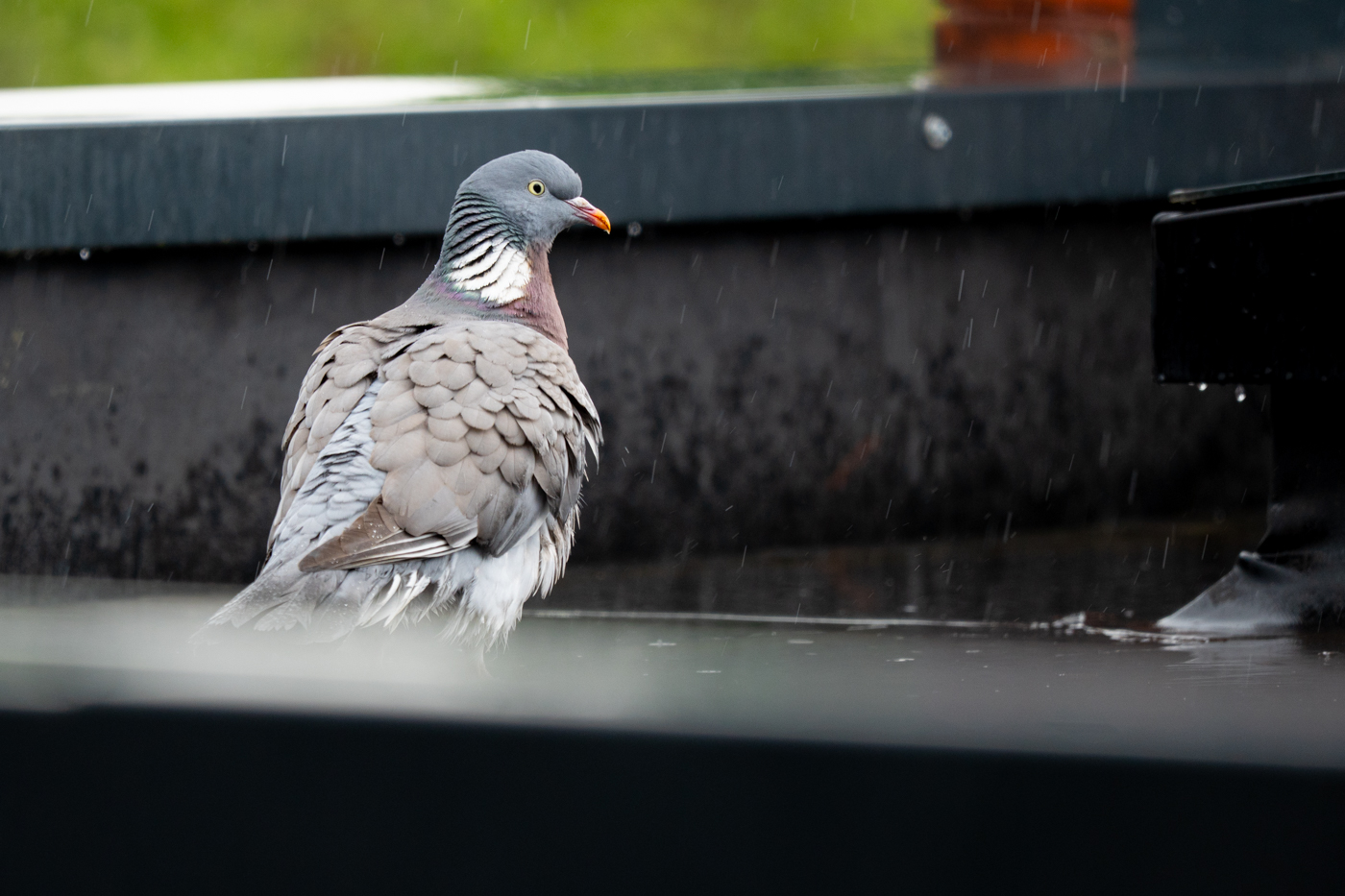
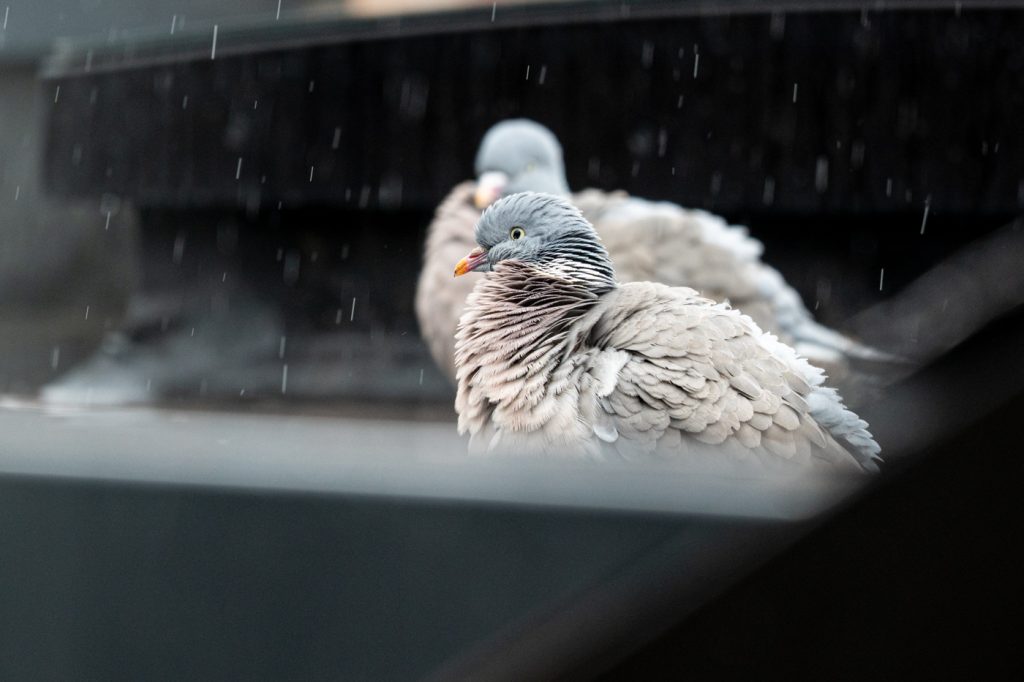
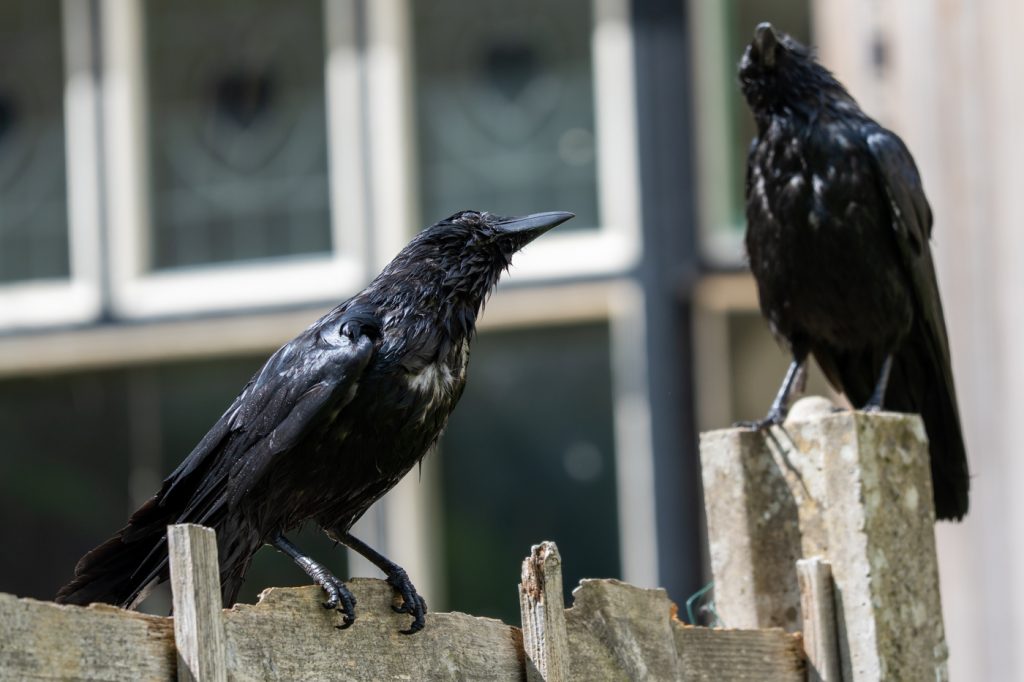
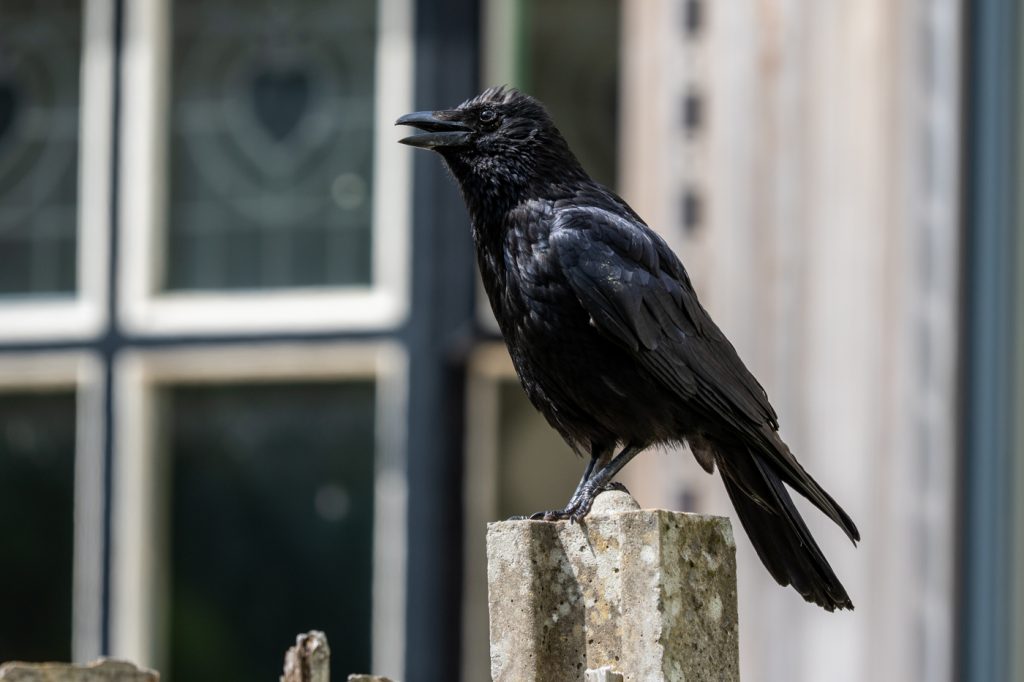
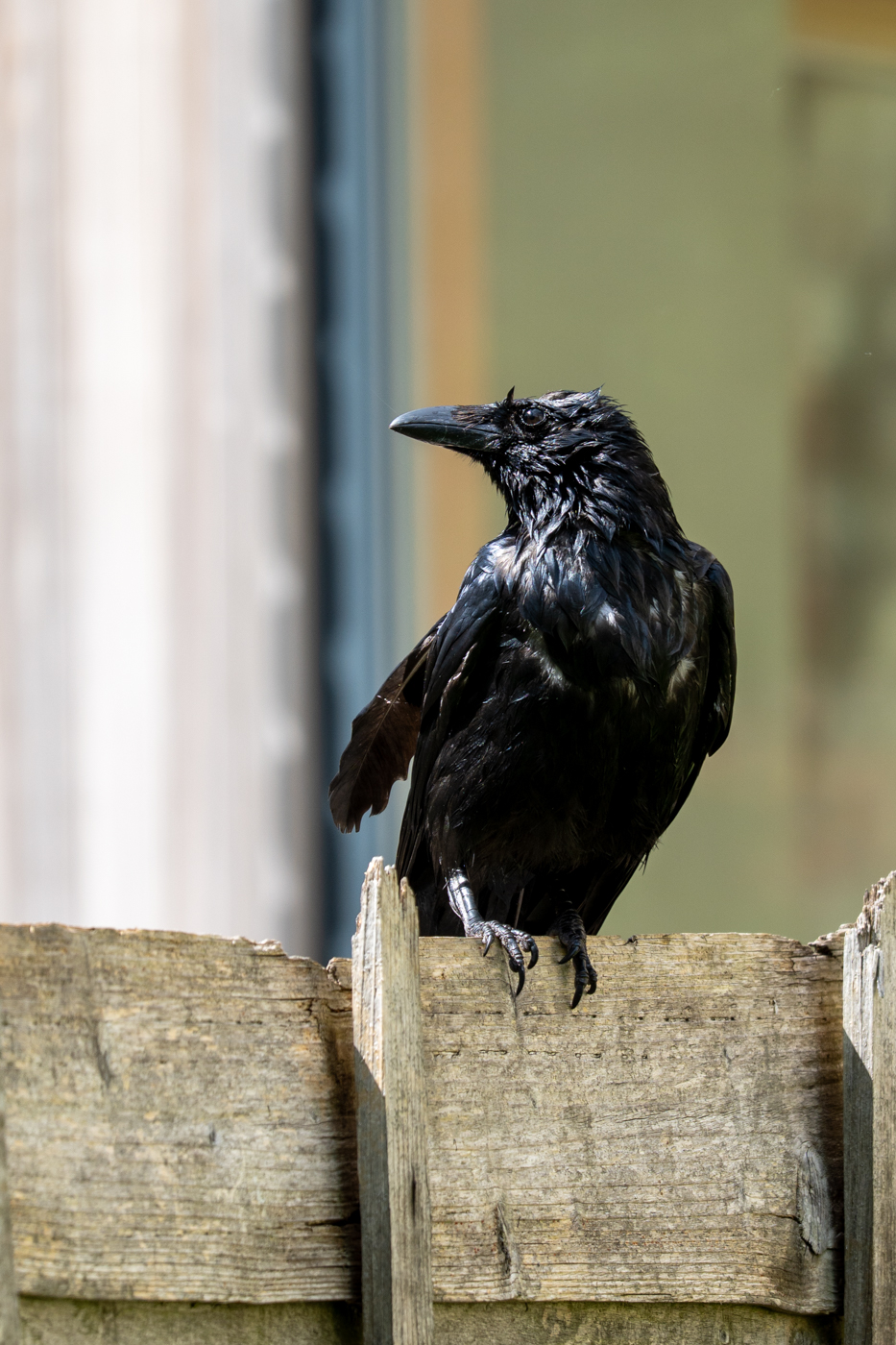
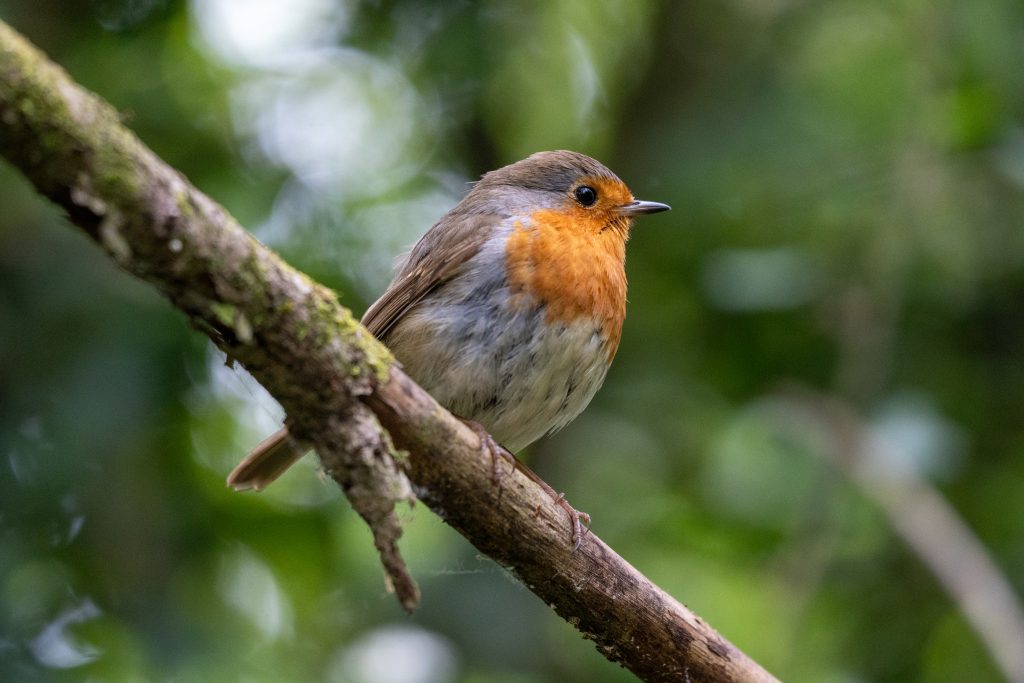
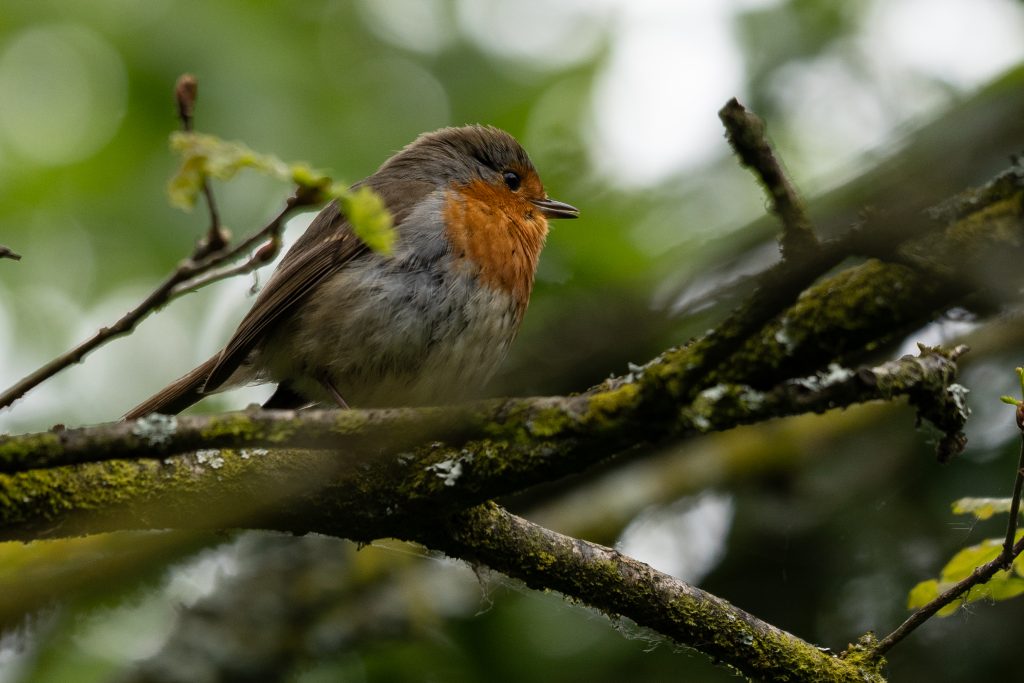
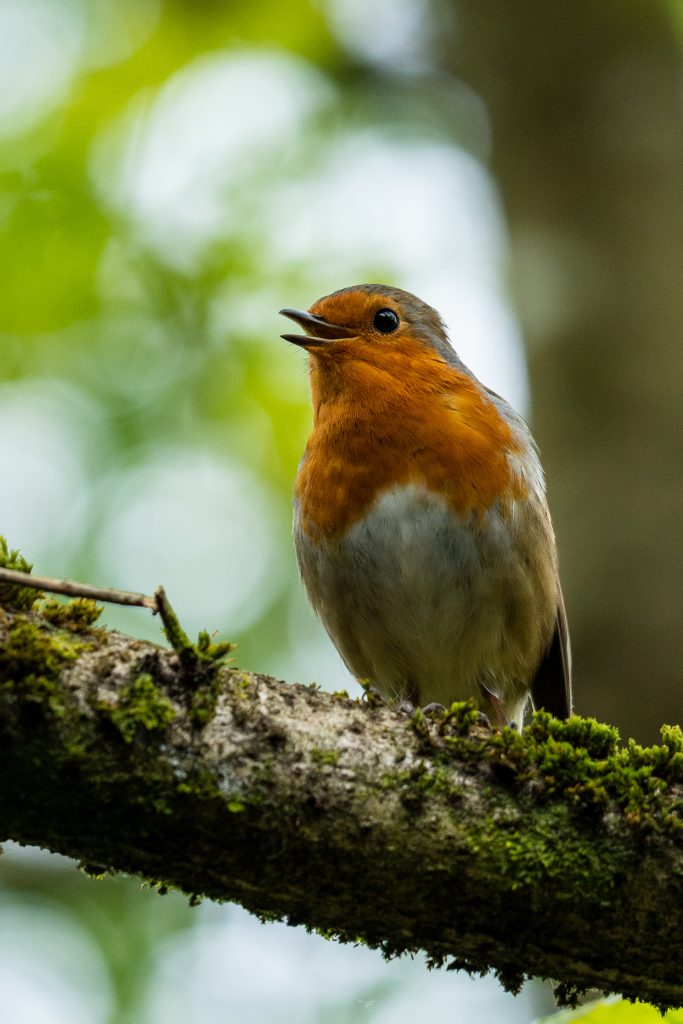
I did warn you there’d be more bird images to come.
Taken in the garden and around Chorlton over the last week or so.
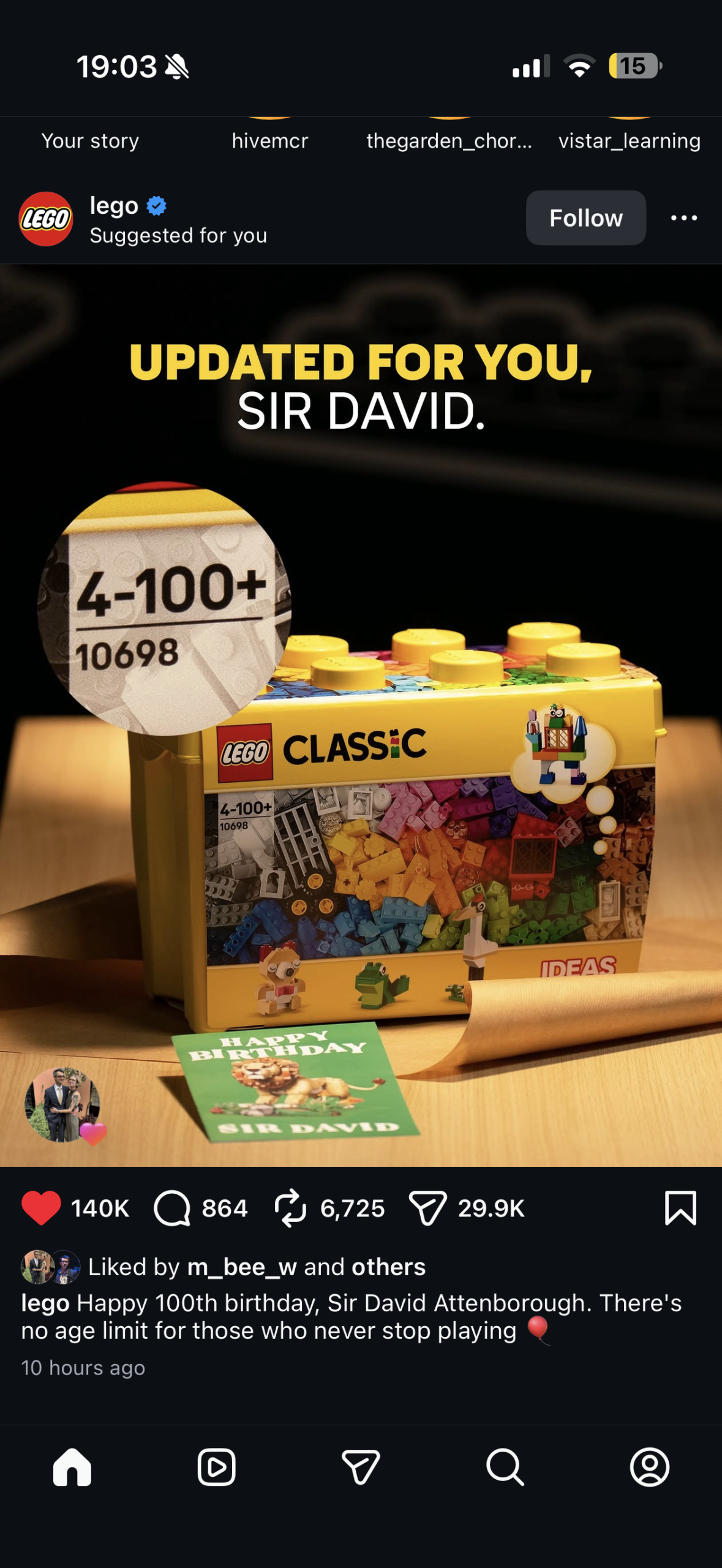
I’ll tenuously tie this post in and dedicate it to David Attenborough on his 100th birthday. An absolute inspiration for anybody who loves wildlife. I can’t think of anybody else who has had such a positive impact on the world. The BBC have done a fantastic tribute to him with a live orchestra which you should check out here on the iPlayer.
Most of these images were shot using the Sony 70-200mm G f4, which is a superb lens that I’ve been using for a couple of months now and I’m just getting comfortable with. It’s surprisingly good for portraits as well as pigeons, plus portraits of pigeons.
While we’re on the subject of Sir David Attenborough, I’d like to highlight my favourite piece of Attenborough related company-bandwagon-social-media…
Lego, you outdid yourself here. Absolutely superb.
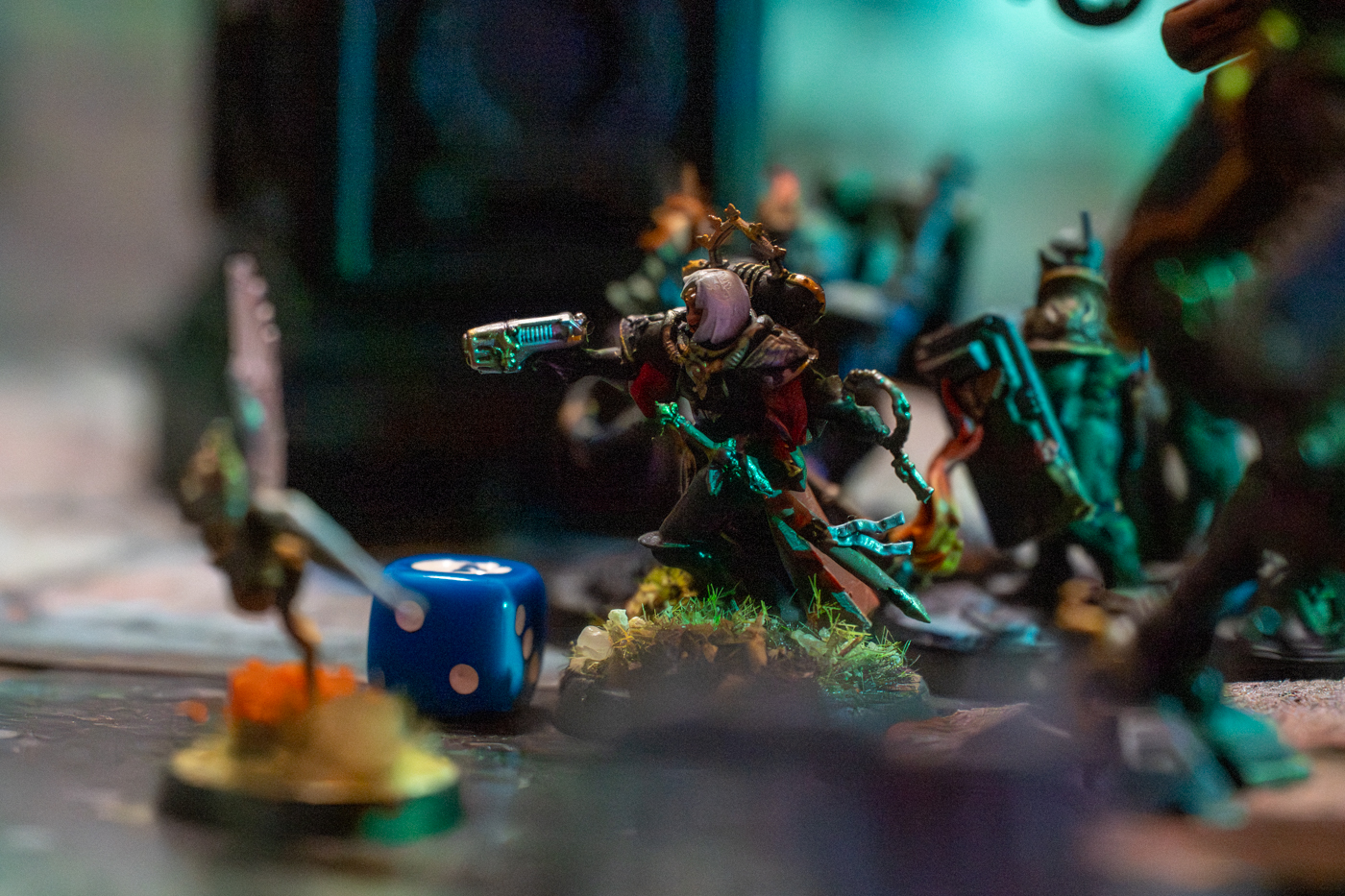
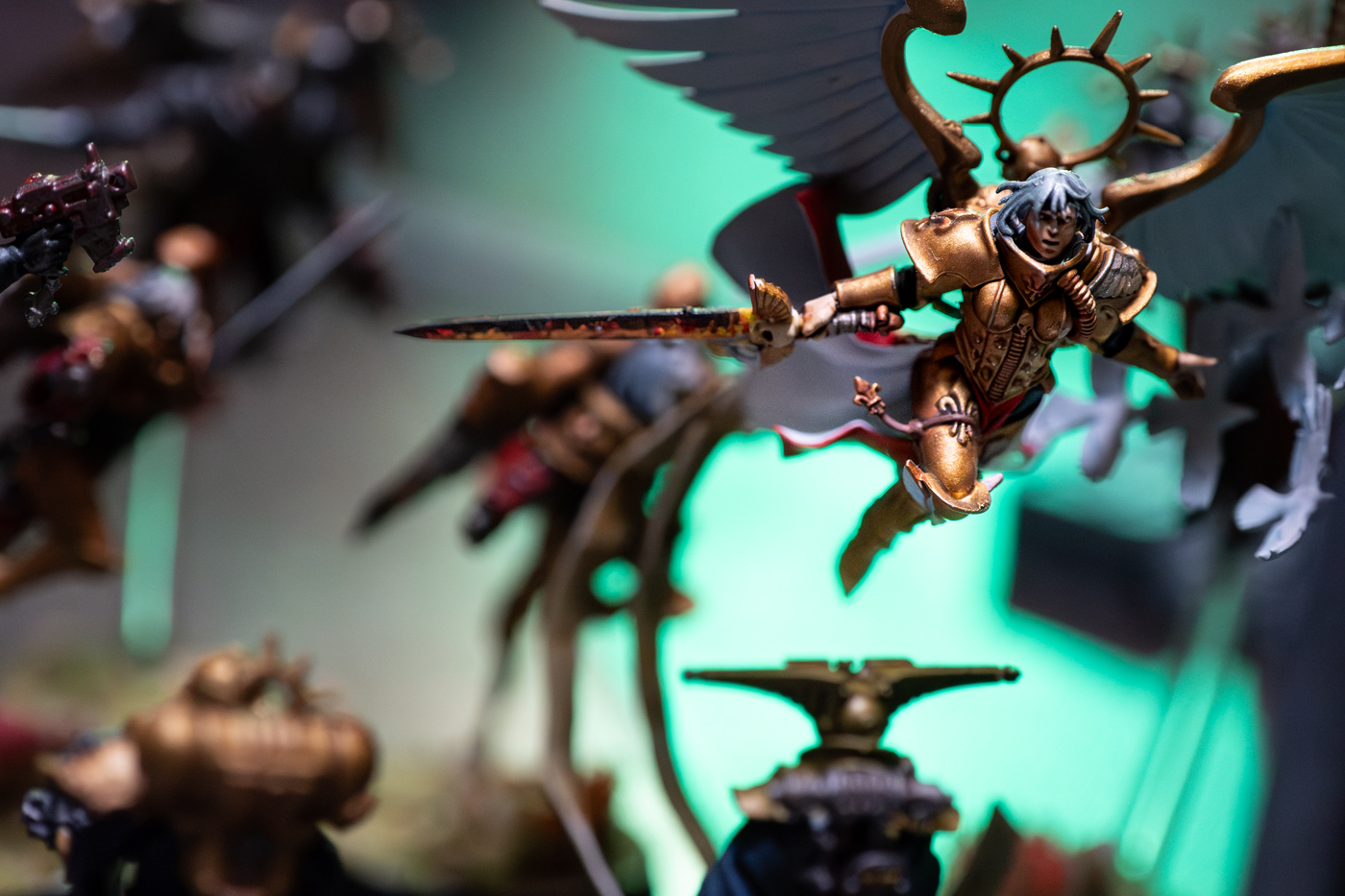
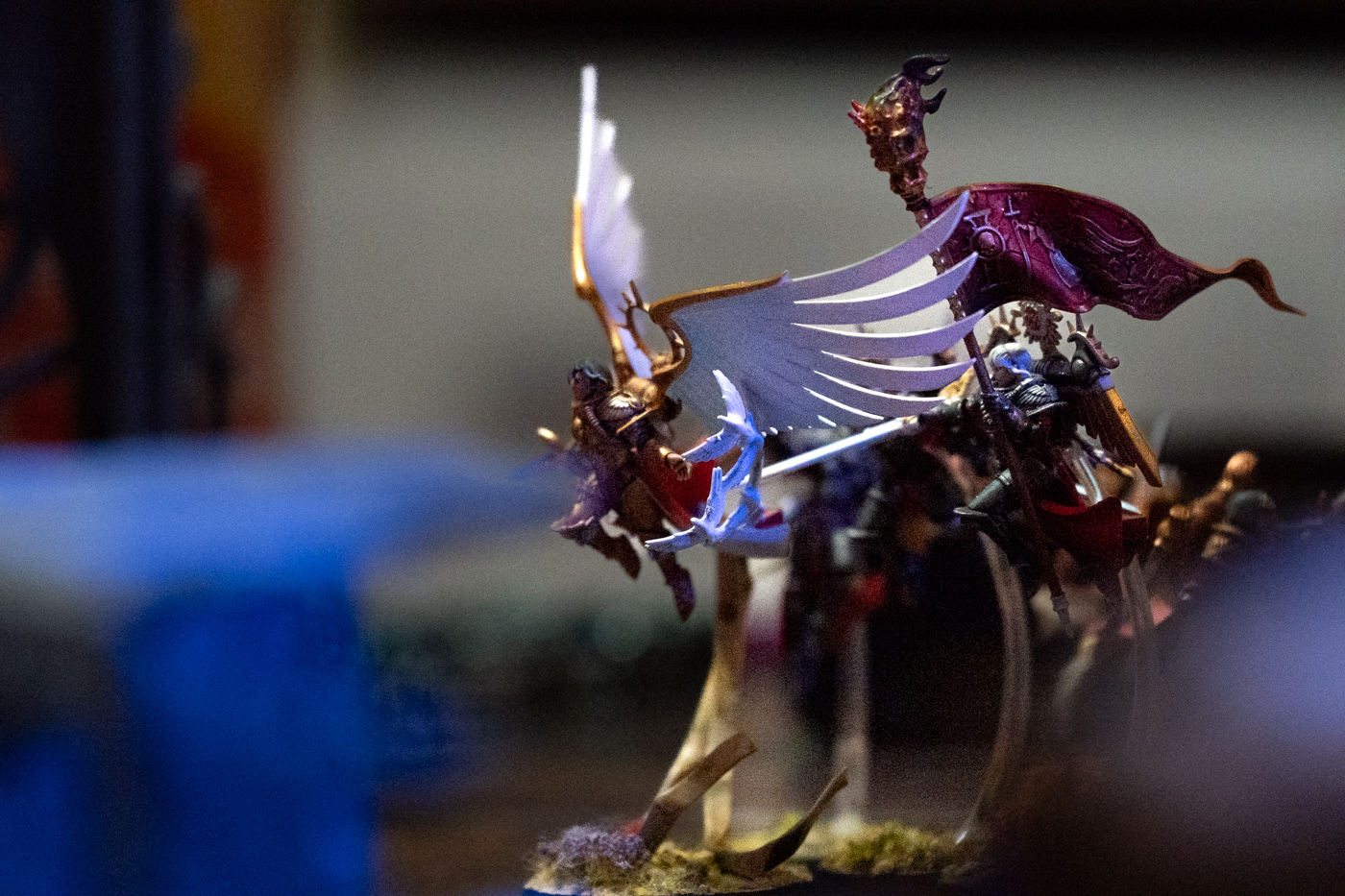
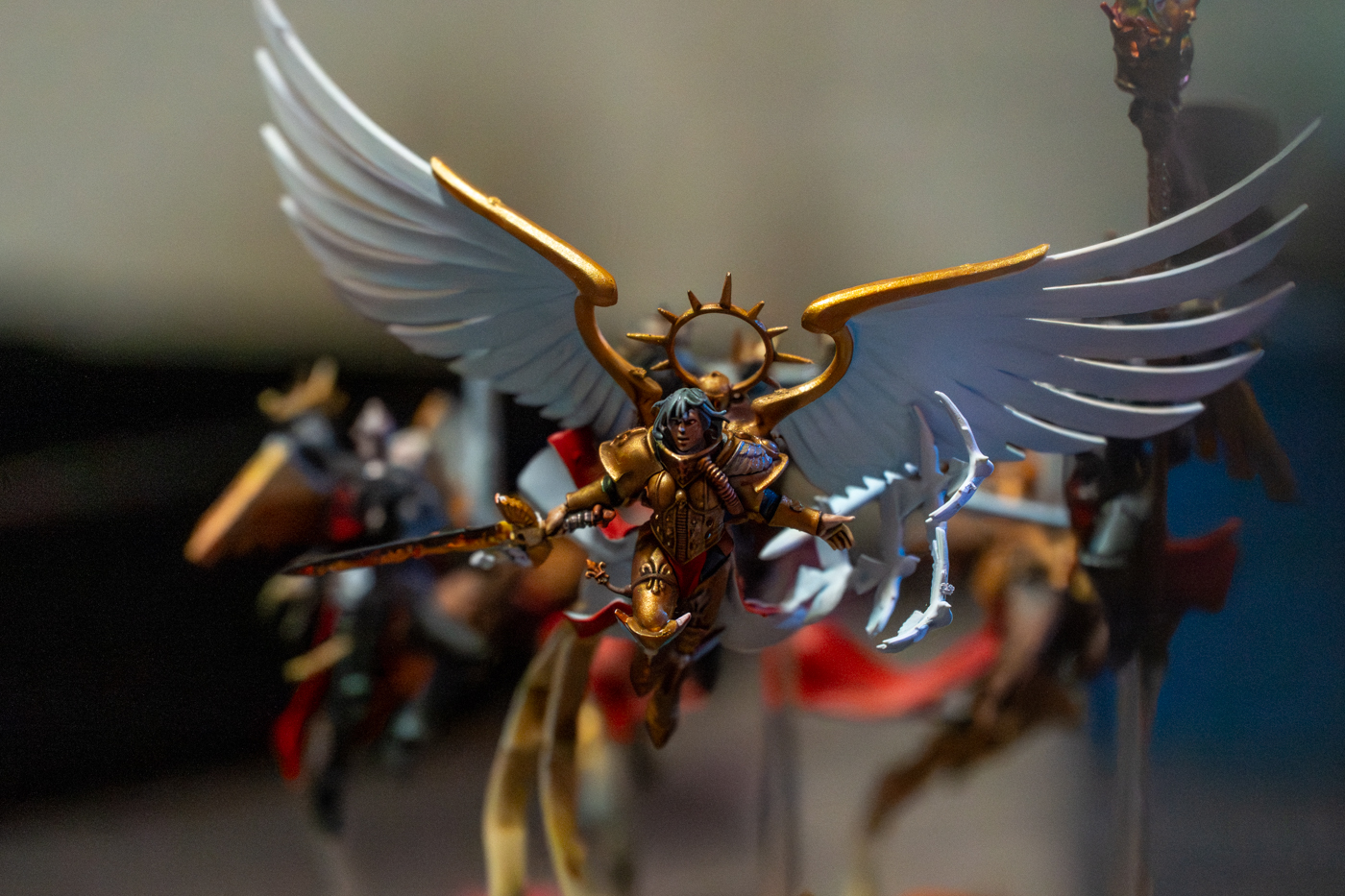
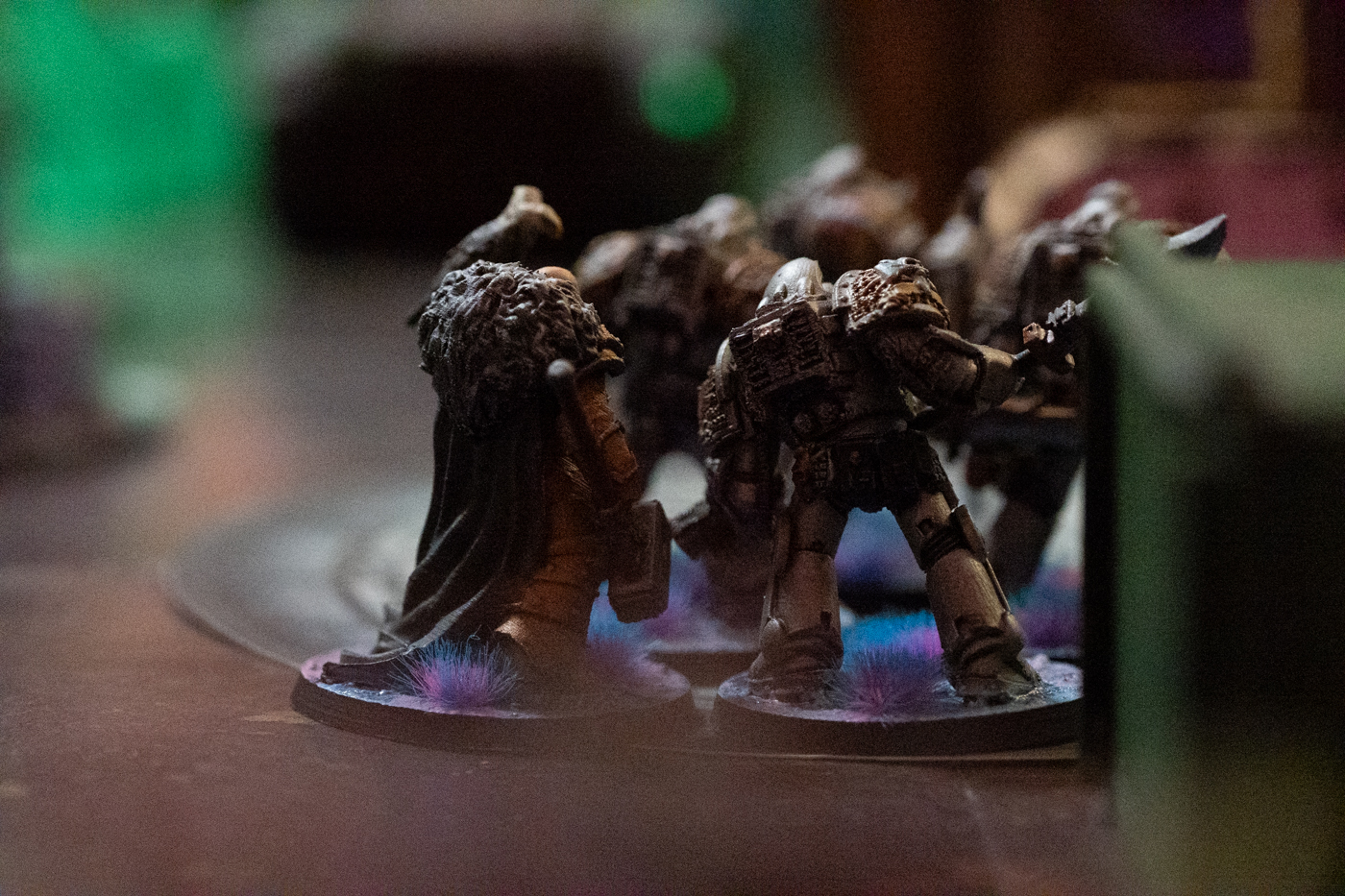
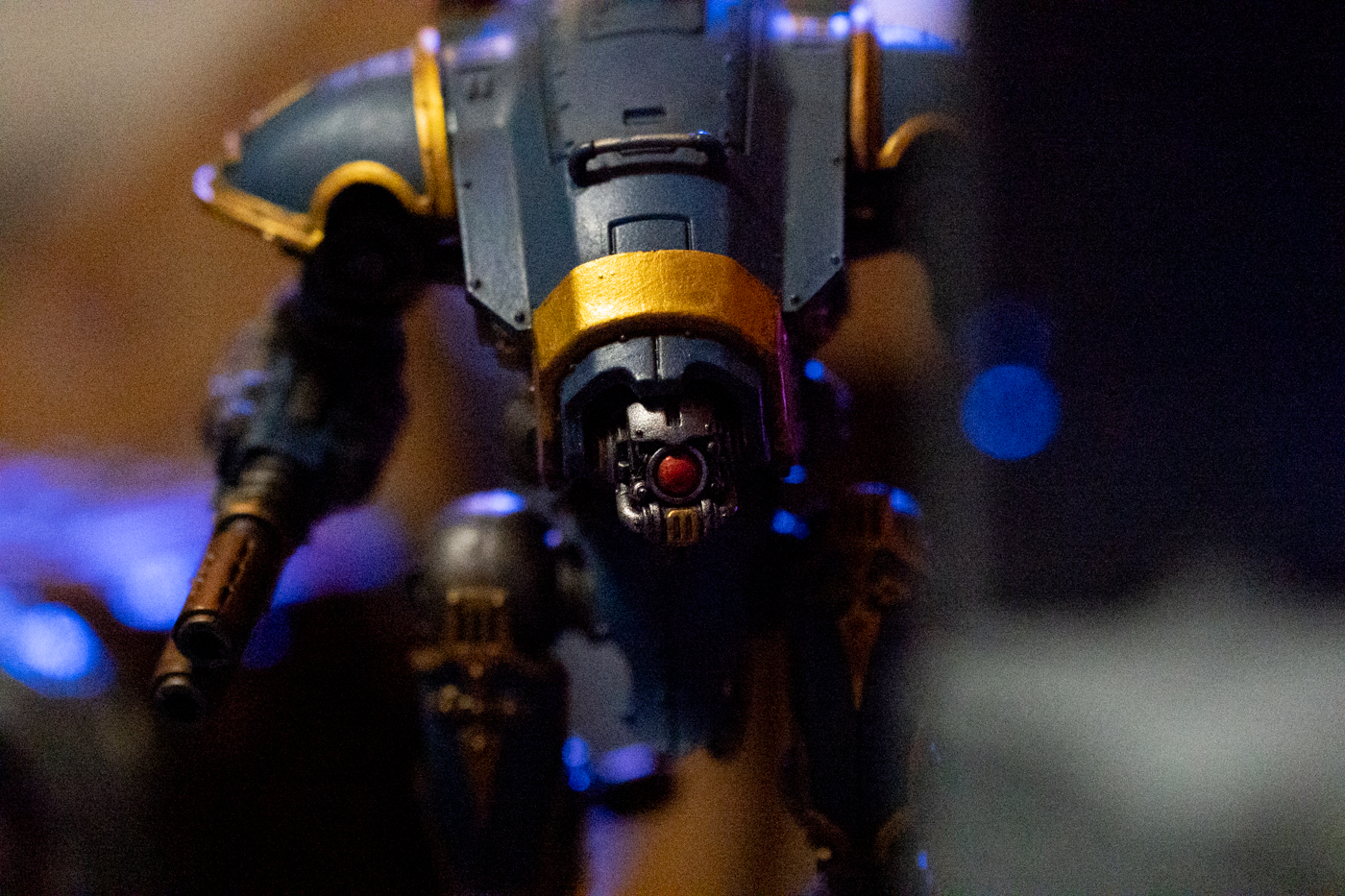
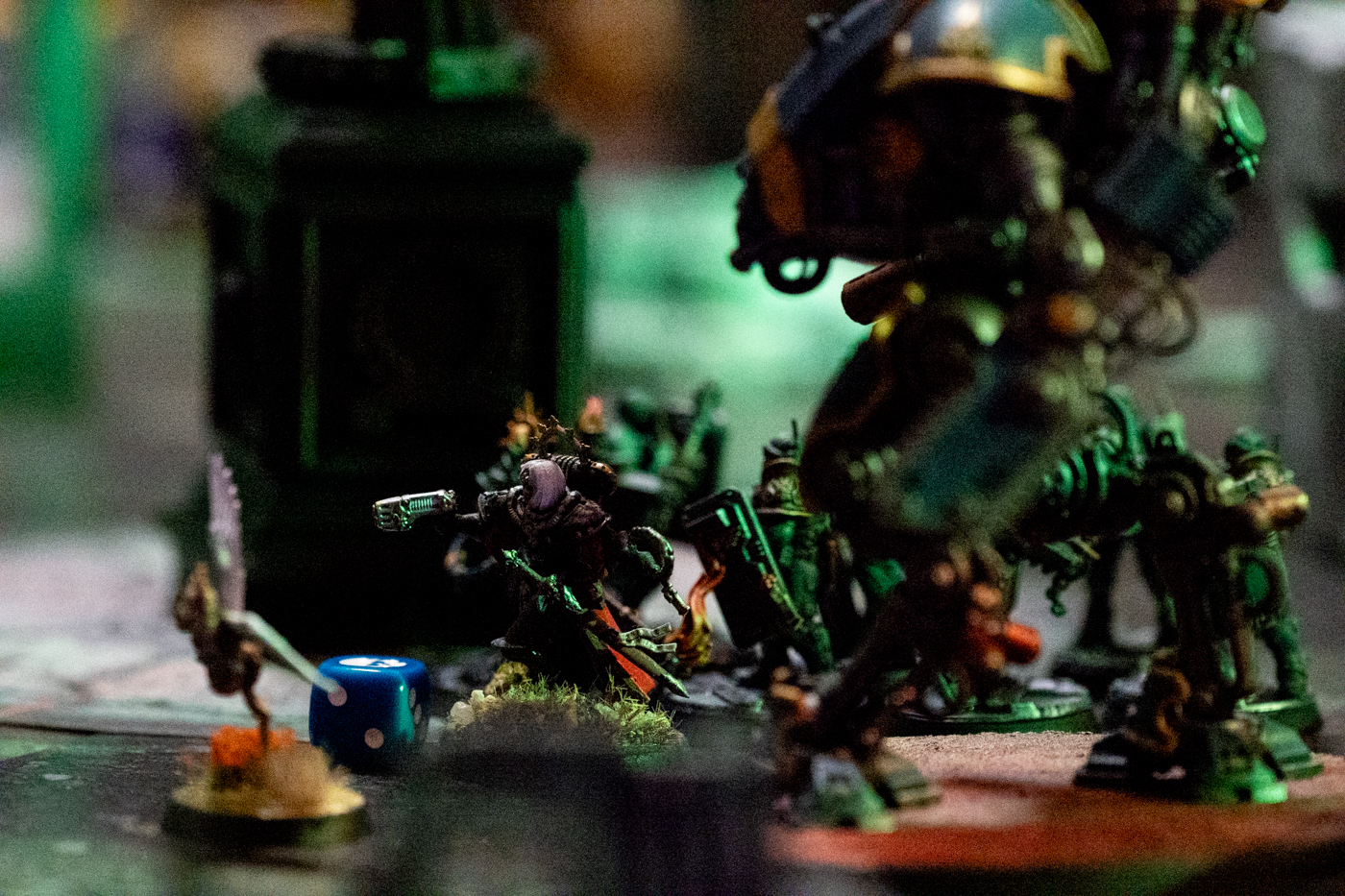
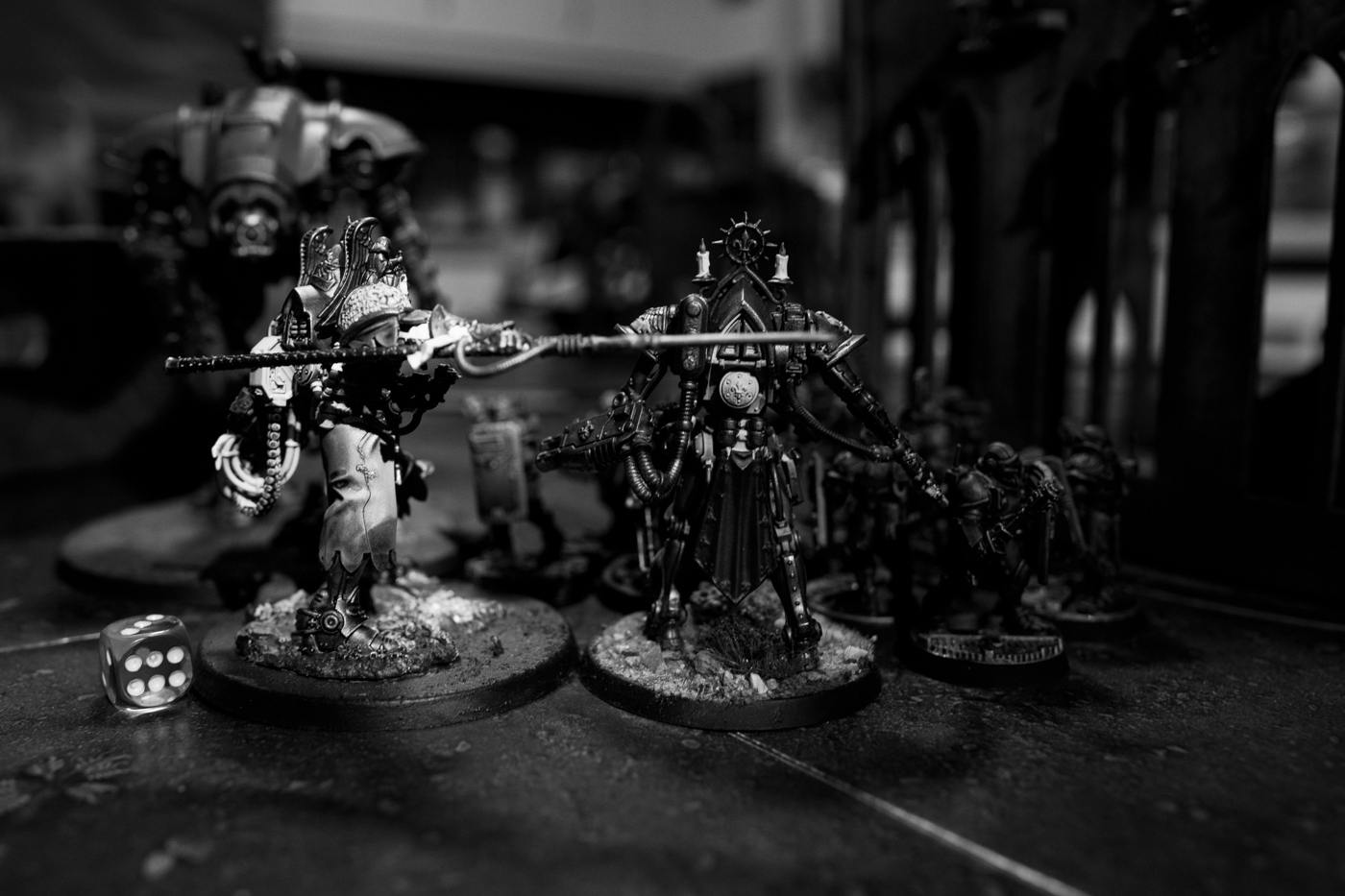
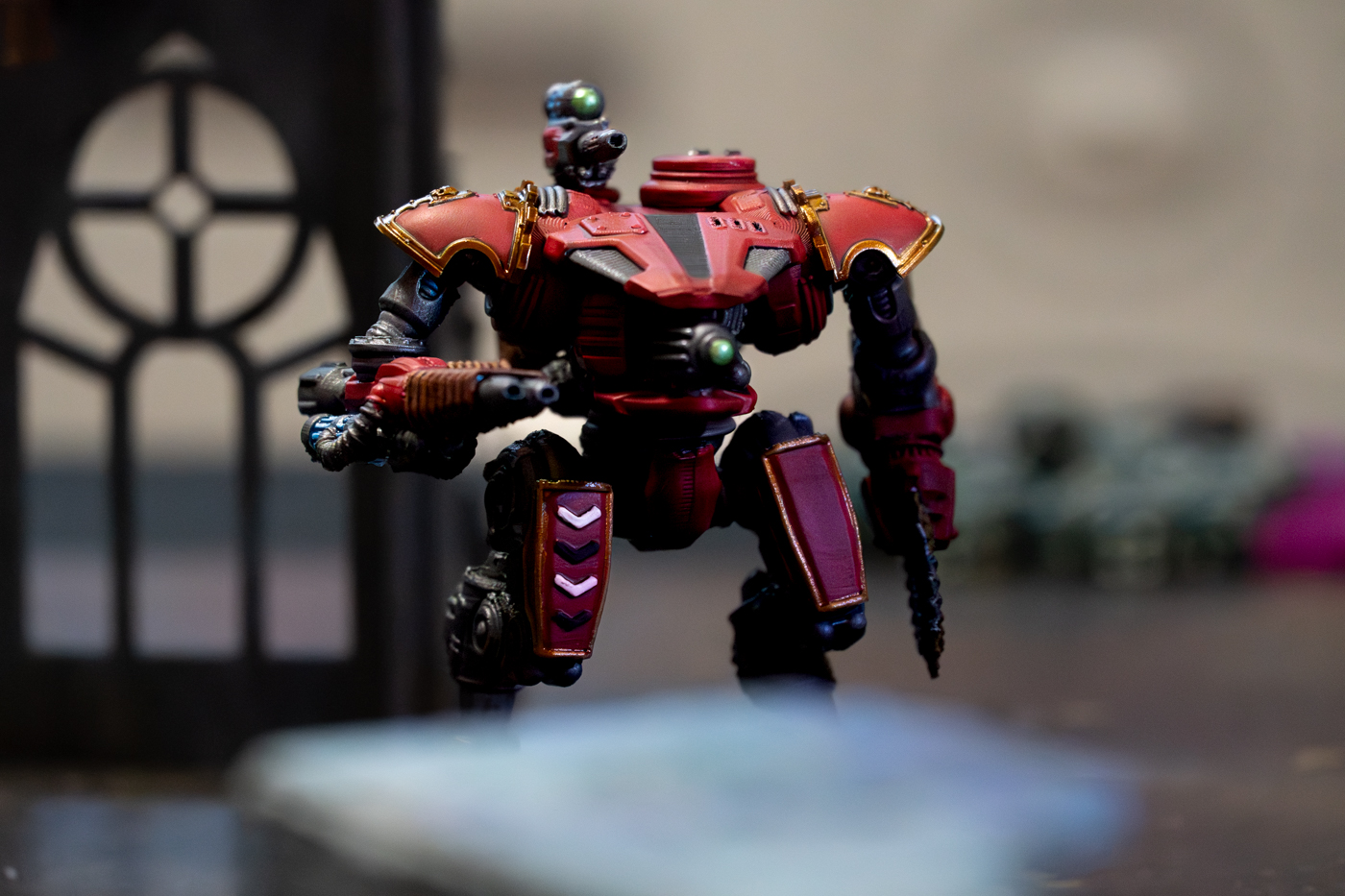
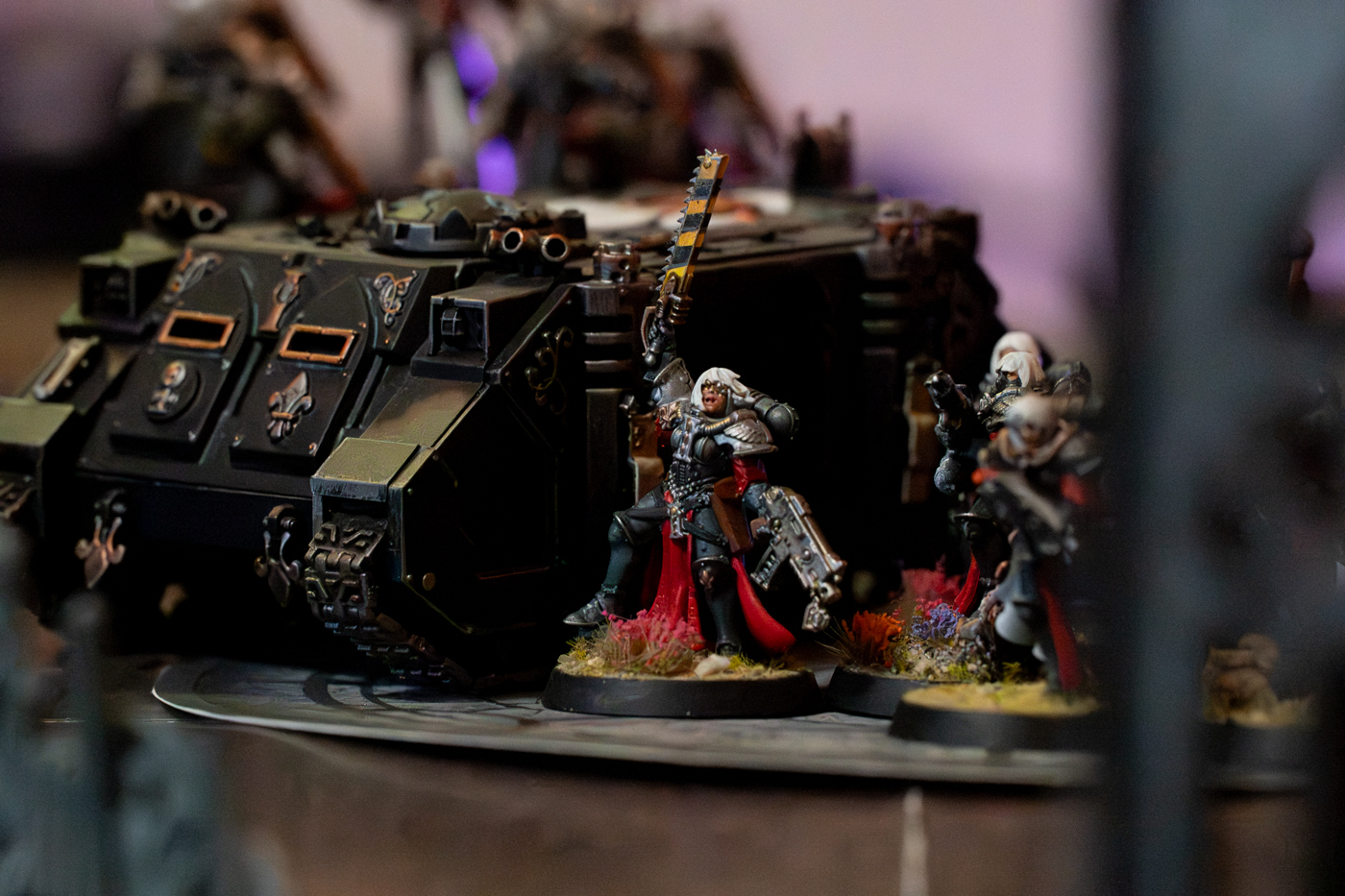
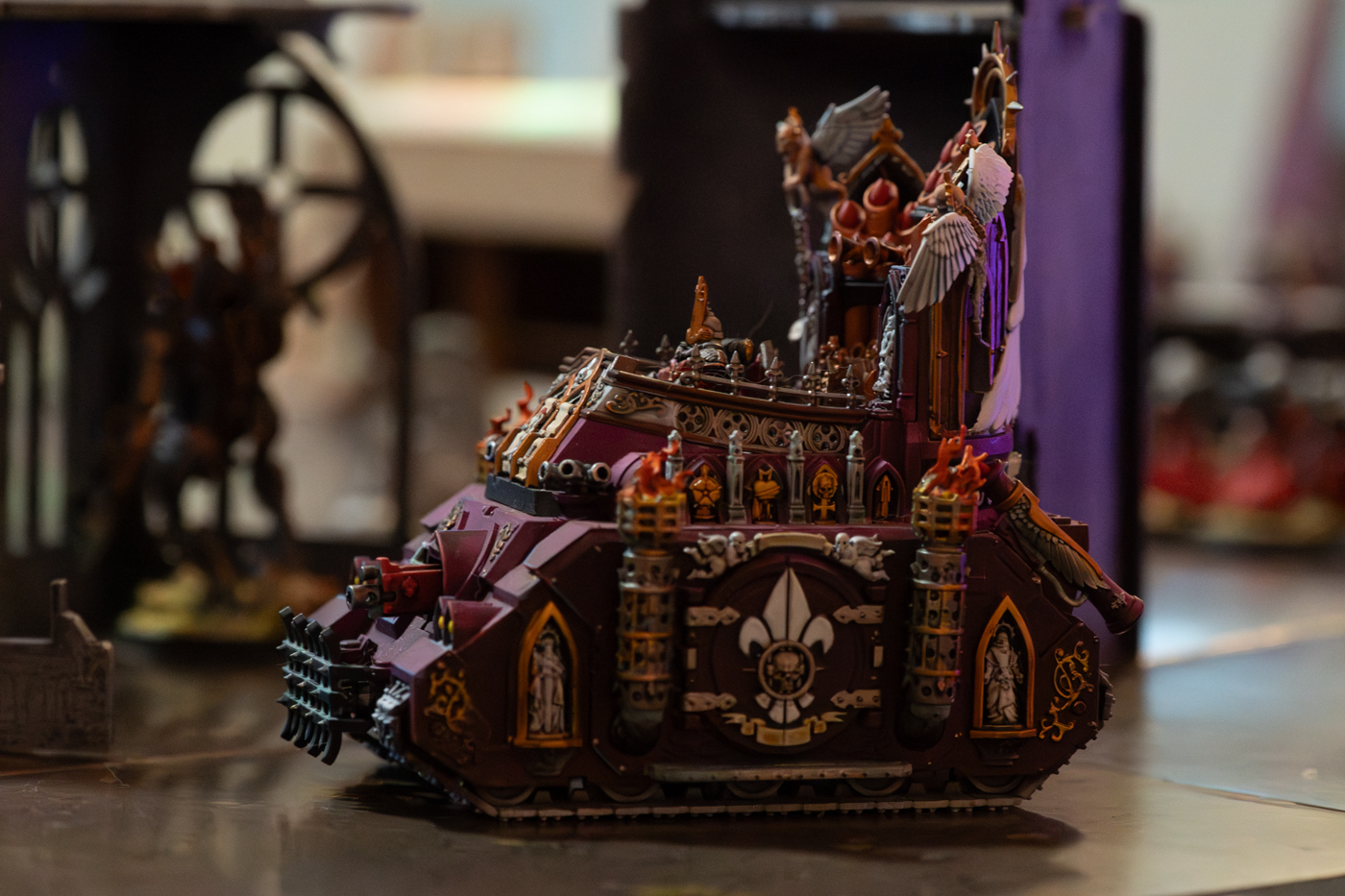
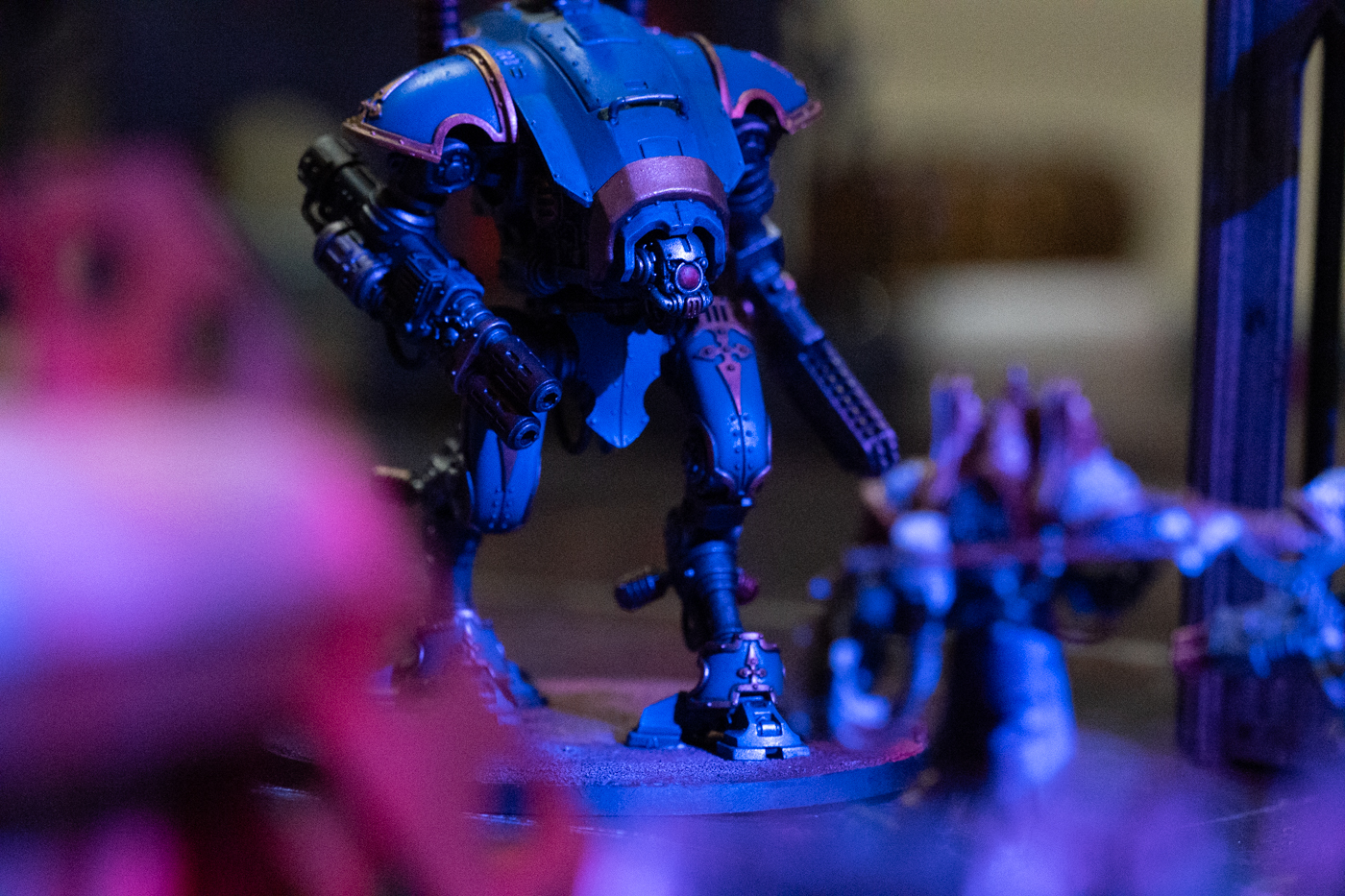
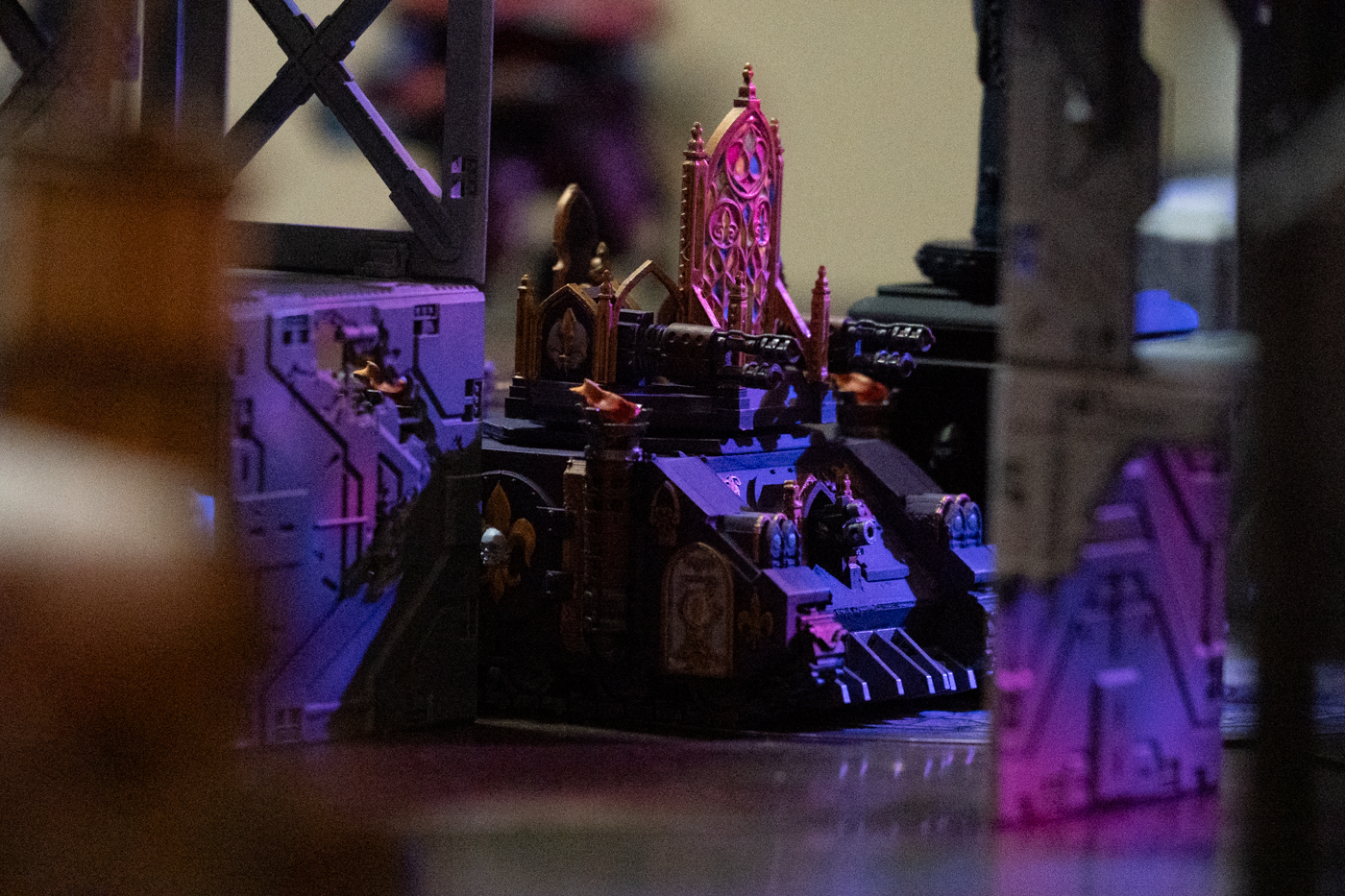
I love Warhammer, it’s so over the top. I enjoy painting the models, working on armies and lists, and occasionally I enjoy playing the game. I was going to post about last Saturday’s Warhammer game, but I was curb stomped by Grumble.
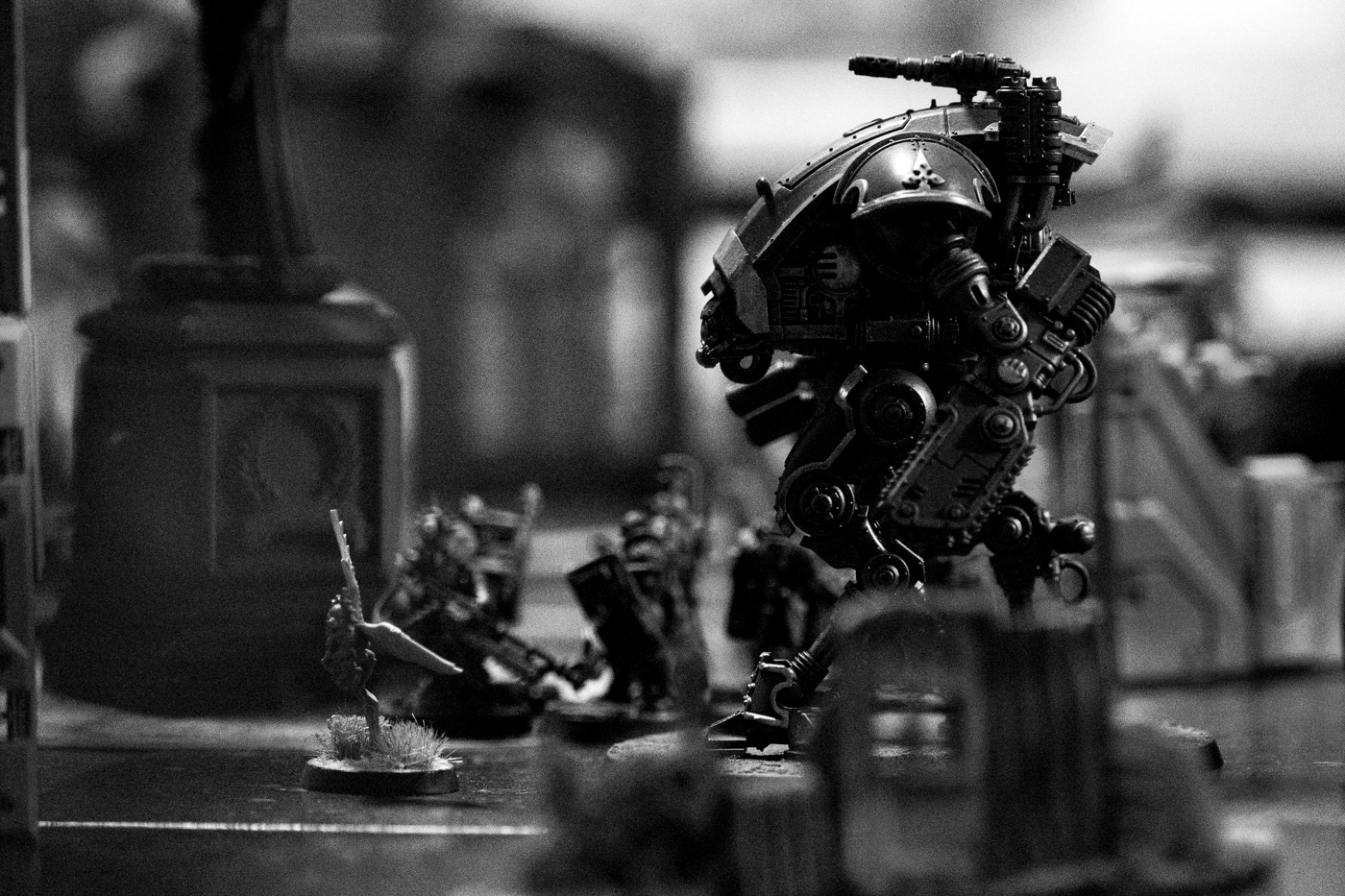
Who brings three knights to a friendly game of beer dice? It was over by round 3 but I wanted to see what I could win points-wise; turns out not much.
I was going to write a battle report, but the game boiled down to Morvenn Vahl and her Nundams killing a Knight turn 1, her being killed turn 2 and it all going downhill from there. Celestine was brave as ever and managed to last until the end of round 5, but the rest of my army didn’t do too well. Becky’s last stand was as cinematic as ever, as she took on a knight solo after losing the rest of her unit but I’d stopped playing to win by that point. I was playing purely for the lore.
Anyway, here’s some actual footage of my Sisters getting pummelled by three knights, two tanks and a squad of Terminators.
Back in the old times, The Internet was pumped directly in to your house through a pipe. It was the same pipe that was used for the analogue telephone and so it came with various caveats that we just accepted as modern, futuristic life.
In the olden times you would be surfing The Internet Super Highway, or ‘the web’ and then suddenly your Mum’s on the phone and you’re cut off.
There was a romantic, Wild West side to this. One moment you could be reading about some obscure Australian soap, catching up on the latest Evangelion gifs, or half way through printing a 1400 page pure text walkthrough of Final Fantasy 7. You could be planning Friday night on MSN while downloading -I promise this is System Of A Down doing Legend Of Zelda this time.mp3- and then boom. Screech, Chuurn, your Aunt’s talking through the internal speaker.
The early internet was exciting, frustrating at times; but there was one thing that made it great.
There was a level of kudos in just doing, sharing knowledge and making new things. People who were online at the time were semi-confined to niche groups or interests and people in those groups tended to share fandom, development, design and general ‘internet’ knowledge. Often you’d find yourself breaking out of your little web-groups, falling down rabbit holes of interesting snapshots of people’s lives, fandoms and stories. As you found new websites and groups you discovered new ways of presenting, coding and designing things. And with that came more little snippets of knowledge that people shared, for the kudos.
The thread that kept these little pockets of the internet thriving was the idea that knowledge was something to be celebrated and shared and that you could just create something for the sake of it.
One of my first websites was an Evangelion fan site. So as a little tribute to that, I set up https://centraldogma.co.uk. Part of me looks at the web nowadays and I’m sad how commercial it’s become, like a lot of early web-tinkerers I make websites for a living now. But I think it’s important to keep the experimental and whimsical aspect of the Internet alive, have a bit of fun with it, and to foster that free flow of knowledge and ideas when you can.
A favourite Sunday activity over the last 15 years has been trying to one-life Sonic the Hedgehog 2. I’ve never managed it. I’ve been playing the game since it came out in 1992 and I genuinely think it’s one of the best pieces of media ever created.
One day around 2011-ish I made it to the last level without losing a life. It wasn’t planned. Every jump was hit perfectly, every roll, bounce and spin had been executed to perfection. It was zen; for 20 minutes I was inside the matrix. Of course the moment I realised I hadn’t lost a life the fear set in and I immediately died. That’s when my personal quest began. I can consistently make it to the final stages on pure muscle memory but something always gives.
The rules are simple. If Sonic dies, the game is reset. No ifs, no buts.
I have a varied Sonic 2 diet. As well as living rent-free in my head it lives on pretty much every video game platform I own. My all-time favourite version is the SEGA 3D classics version on the 3DS, the colourful sprites and parallax backgrounds mixed with layered 3D are pure eye candy. A nostalgic serotonin blast for the jaded millennial.
Fans of the 16-bit games will tell you that Sonic 3 is the best game. They’re wrong of course. It’s a great game but Sonic 2 is platforming perfected, it’s just too pure not to be the standard.
So what happens when I eventually do one-life Sonic 2? No idea, I like to think it’s not possible and to be honest I don’t need that hole in my life but until that day I’ll keep picking away one level at a time.